


Farm Credit Leasing
Lease practically anything your operation needs
Preserve capital, gain flexibility and modernize operations while staying on schedule and on budget.
Why lease instead of buy?
Leasing is about control: of cash flow, taxes and long‑term planning. It allows you to use the assets you need today while keeping options open tomorrow. With more than 15,000 types of assets eligible for leasing, you stay in control of how and when you use, replace, or own your equipment.
Flexible financing options
Choose the lease structure that matches your budget, tax strategy and how you want to handle the asset at the end of the term.
- New and used equipment, vehicles and facilities
- Construction‑period financing that converts to a fixed‑term lease at completion
- Sale‑leasebacks for equipment or facilities already in service
- Customized terms aligned to asset life and business performance
Designed to support your financial strategy
Through Farm Credit Leasing, a wholly owned subsidiary of CoBank, you gain flexible leasing options for agriculture and rural infrastructure businesses nationwide, backed by decades of experience and a dedicated team that understands how your operation runs.
Minimize upfront costs
Preserve capital—often you can acquire the asset by making just your first lease payment at closing. That means more cash on hand for operations, growth and unexpected needs.
Match payments to cash flow
Set payments and flexible schedules can align to the asset’s life and your seasonal cash flow. Monthly, quarterly, semi‑annual, annual, seasonal, harvest‑pay and step‑up or step‑down schedules are all available.
Optimize tax strategies
Depending on lease structure, payments may be fully tax deductible—or you may be able to depreciate the asset over time. (Always consult your tax advisor.)
Standardize your replacement cycle
Plan ahead and keep reliable, low‑maintenance equipment working with less downtime.
Contact a Farm Credit lender near you
Through our partnership with Farm Credit associations, we provide leasing options to thousands of farmers and ranchers in rural America.
Leasing success stories
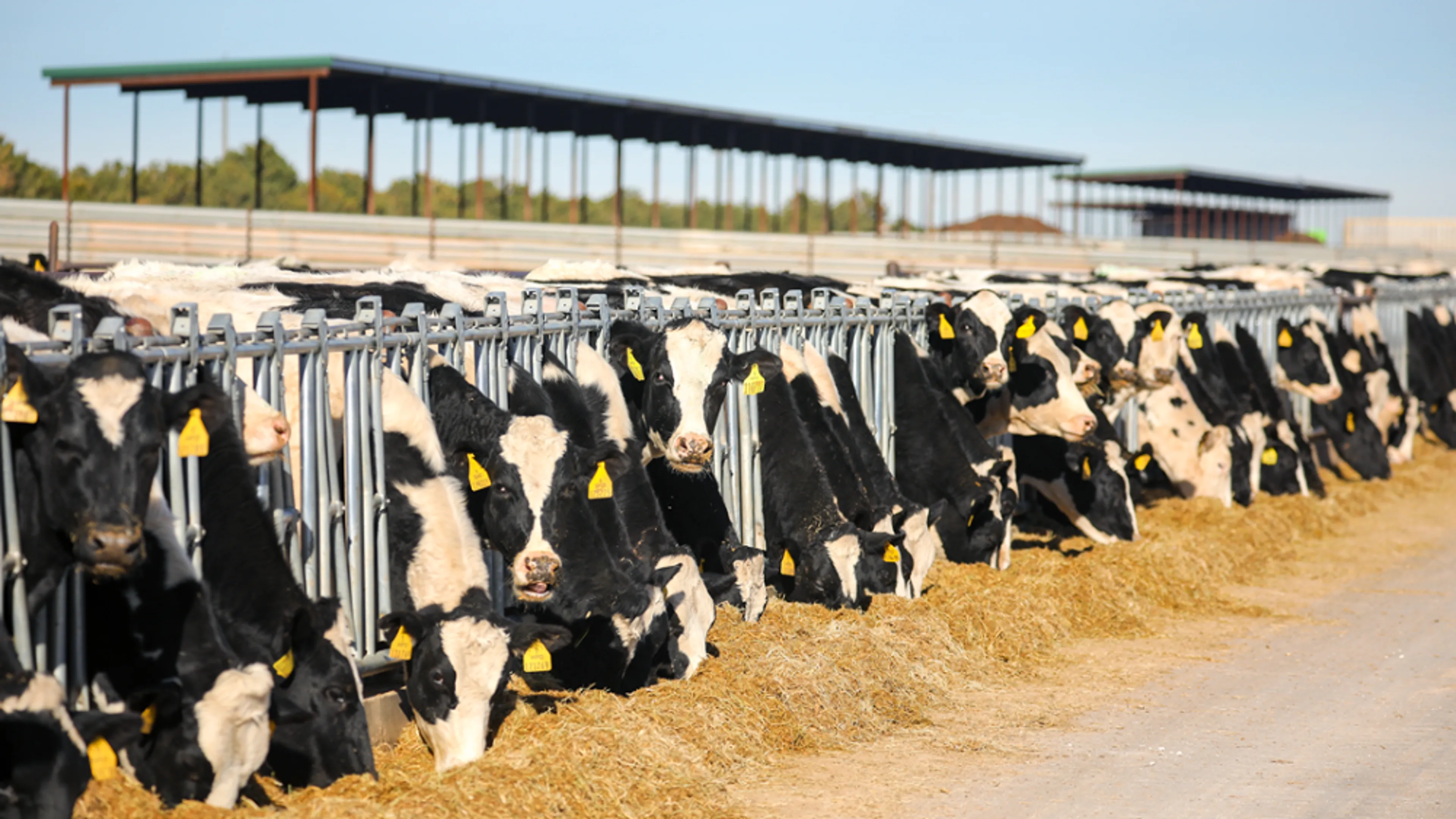
Unlock incredible savings with FleetPartner
Manage your entire fleet lifecycle with integrated services that simplify purchasing, operations and administration.
- Acquisition services: Acquire new vehicles with your exact specifications and avoid the hassle and extra dealership fees.
- Fuel management: Arm all your drivers with a widely accepted fuel card that is directly linked to an online account.
- Maintenance and repair: Schedule planned maintenance and have a 24/7 national call center at your service for emergency roadside assistance or unexpected repairs.
- License and title services: Have administrative details handled for all your vehicles in every state, county and city you operate in.

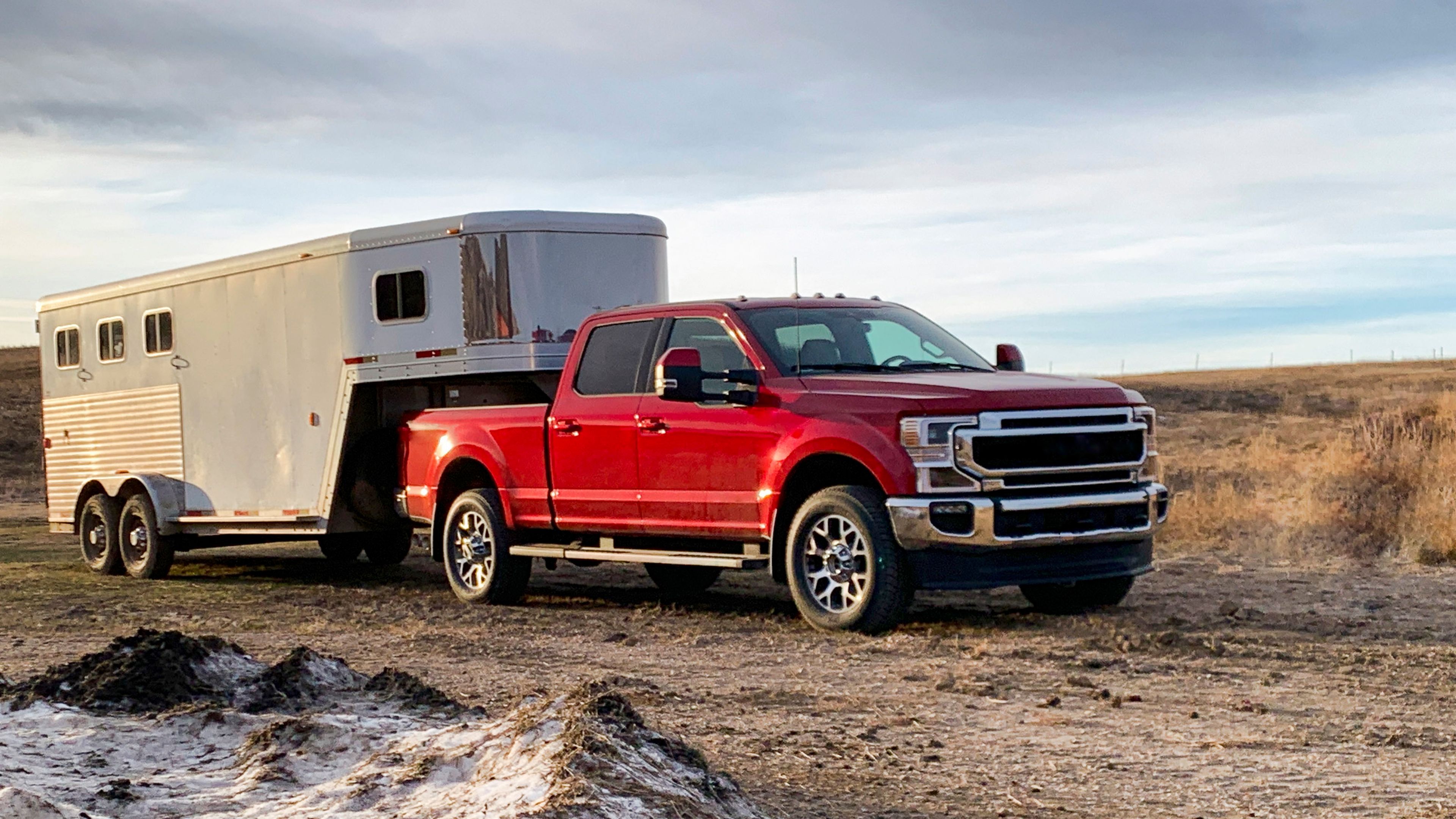
Equip by Farm Credit: Quality equipment, priced to perform
Browse a broad selection of dependable, inspected equipment online and buy with confidence at competitive prices.
- Convenient web-based access to equipment that has undergone a detailed inspection.
- Reliable equipment at competitive prices.
- A wide variety of dependable equipment for farming, construction and more.

Frequently asked questions
Instead of lending money, Farm Credit Leasing lends the use of an asset or facility. You pay a monthly rental payment instead of a principal and interest payment on a loan.
You can lease more than 15,000 types of equipment, vehicles and facilities. If it flies or floats, it likely can’t be leased.
Ag production equipment
- Tractors and harvesters
- Farm field equipment and implements
- Fertilizer and chemical applicators
- Livestock equipment
- Irrigation
Buildings, bins and storage
- On-farm buildings
- Commodity storage
- Greenhouses
- Controlled atmosphere
Forestry equipment
- Logging equipment
- Skid steer loaders and feller bunchers
- Harvesters
- Saw mill equipment
Grain, feed, fertilizer and seed storage and handling
- Grain storage and handling
- Feed mills
- Fertilizer blending and handling
- Seed bins and handling
Material handling and construction
- Forklifts
- Racking and storage
- Telehandlers
- Skid steer and wheel loaders
- Trenchers
Packaging and processing
- Processing lines
- Packaging equipment
- Wine, beer and spirit production
- Canning and bottling
Transportation
- Autos, SUVs and light duty trucks
- Medium and heavy duty trucks
- OTR tractors
- Trailers
- Bucket trucks
Utility, communication and energy
- Bucket trucks
- Fleet vehicles
- Electric vehicles
- Trenchers
- Mobile substations
- Meters
- Broadband equipment
- EV charging stations
- Buildings
- Servers
- Transformers
- Solar arrays and battery storage
Water systems
- Meters/AMI/AMR
- Pumps
- Locators
- Filtration equipment
- Inspection devices
Yes. You can customize the asset and order it directly.
Typically, you pay the agreed-upon leasing rental payment, document fee, applicable taxes (including sales and property taxes), licensing and registration fees, maintenance costs and insurance premiums.
Yes. You can add equipment or upgrade assets when appropriate. This may require a new lease contract or an addendum to the original lease that revises terms, residual values or payment schedules.
A lease agreement typically cannot be canceled. Lessees are obligated to make rental payments for the full lease term.
At the end of the lease, you may purchase the equipment, return it, or renew the lease. All Farm Credit Leasing solutions have end-of-lease purchase option, which vary with the type of equipment.
CoBank, ACB, Farm Credit Leasing Services Corporation and their respective affiliates (collectively, “CoBank”) do not provide tax, legal or accounting advice. These materials have been prepared for informational purposes only, and are not intended to provide, and should not be relied on for, tax, legal or accounting advice. CoBank makes no representations or warranties regarding the accuracy of the information contained in these materials and is under no obligation to notify you of any subsequent corrections or other changes to these materials or to the laws, regulations or other information that may be contained therein. You should consult your own tax, legal and accounting advisors before engaging in any transaction.