
Food as medicine reshapes the grocery aisle

Key points
- Nutrition is taking center stage as a growth platform, rather than an afterthought on the ingredient label.
- Consumers are increasingly demanding options tailored to their unique dietary needs.
- The market for food as medicine shows strong promise, with projected double-digit compound annual growth through 2033.
- Scalable nutrition solutions will prove essential to meeting food-as-medicine ambitions.
Food and beverage companies, retailers and ingredient suppliers are increasingly treating nutrition as a growth platform rather than a defensive health claim. Overlapping forces are shaping the opportunity: consumers are demanding measurable wellness benefits, the medical establishment is embracing diet-based interventions, GLP-1 use is shifting eating behavior, and functional ingredients and personalized technology are quickly advancing.
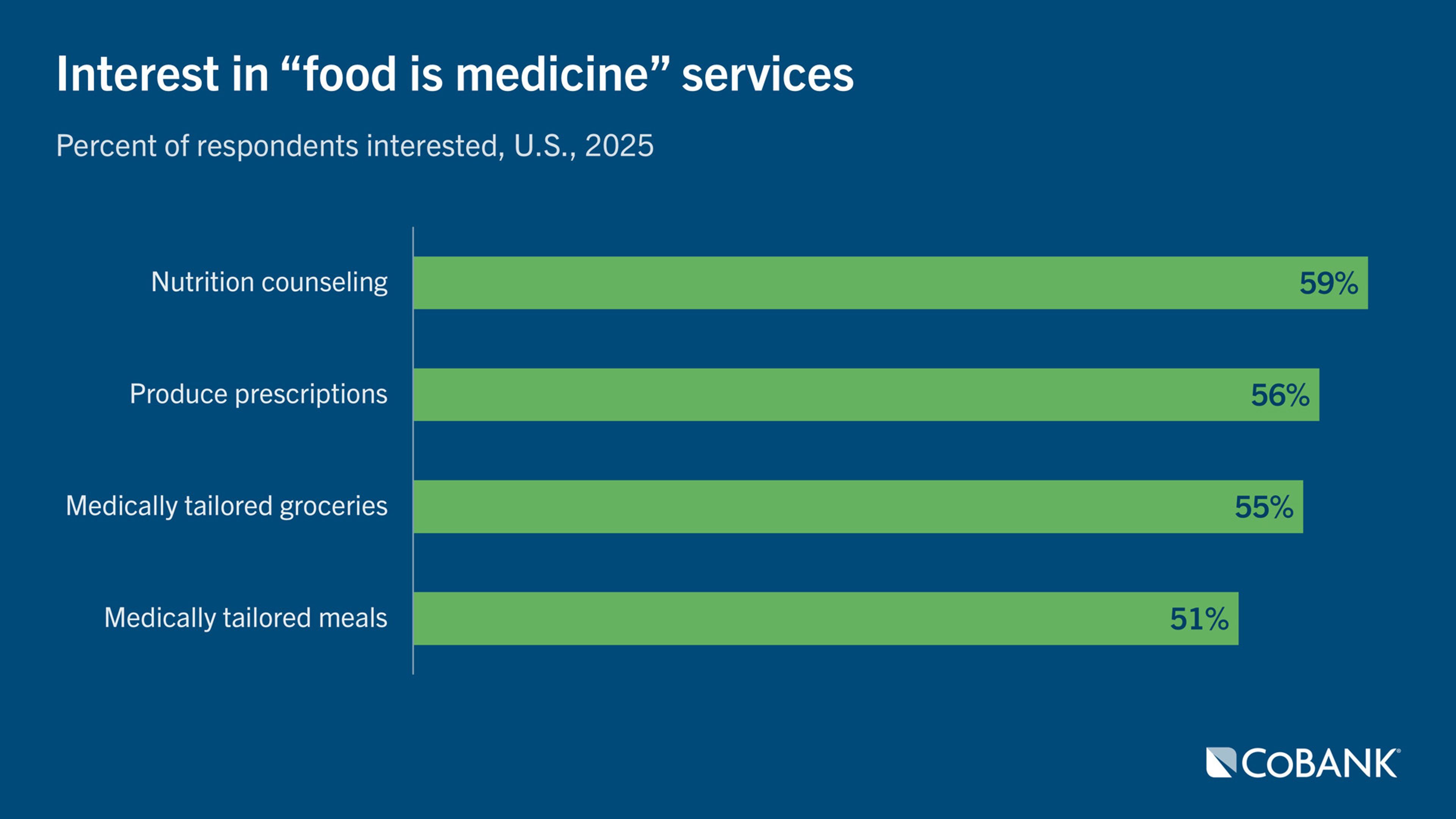
Consumers increasingly want foods that actively support their health, not simply products that avoid undesirable ingredients. Whether the movement is a general consumer trend toward better health or a larger embrace of "food as medicine" as a concept, food and beverage brands and retailers alike continue to invest in more nutritious ambitions. Consumers no longer correlate their food choices with just some degree of impact on their overall health. Increasingly, they seek not only “healthy” food options but also nutrition-related food is medicine services in medical care as part of a care plan to prevent or treat disease.
Put simply as a commercial strategy, the notion of food as medicine positions diet as an intervention to prevent, manage or complement treatment for chronic disease. The global market for the trend is difficult to gauge because regions perceive food as medicine differently. However, Datem Intelligence estimated the global market for the broad category of food as medicine at $26.5 billion in 2025, projecting double-digit growth through 2033. Datem predicts the market will have a compound annual growth rate of 12.2% from 2026 to 2033, reaching $66.4 billion. Most of the current market is in North America, and Datem believes the region will continue to dominate market share for the trend as the "increasing number of chronic diseases in the region is raising the demand for food-based therapies."
As venture capital and advisory company First Analysis observed, "Food as Medicine has established a foothold in the U.S. health care system. The Food as Medicine concept holds that interventions that align patients’ diets with their clinical needs, such as medically tailored meals, customized groceries and produce subsidies, have the potential to improve health outcomes while reducing total cost of care." The trend is gaining credibility because it connects consumer wellness spending with health care cost pressure, particularly around obesity, diabetes, cardiovascular disease and hypertension.
The food-as-medicine trend encompasses a broad range of categories. Alison Steiber, chief mission, impact and strategy officer with the Academy of Nutrition and Dietetics, explains: "Food as medicine is an umbrella term that includes food, beverage, supplements, even food insecurity and the need for nutrition education and, in sum, really any health area where diet can help the individual. Medically tailored groceries would likely be better for individuals, but there has not been a funding stream or market to support such a tailored and personalized nutrition and medical food program."
Nutrition moves beyond clean label
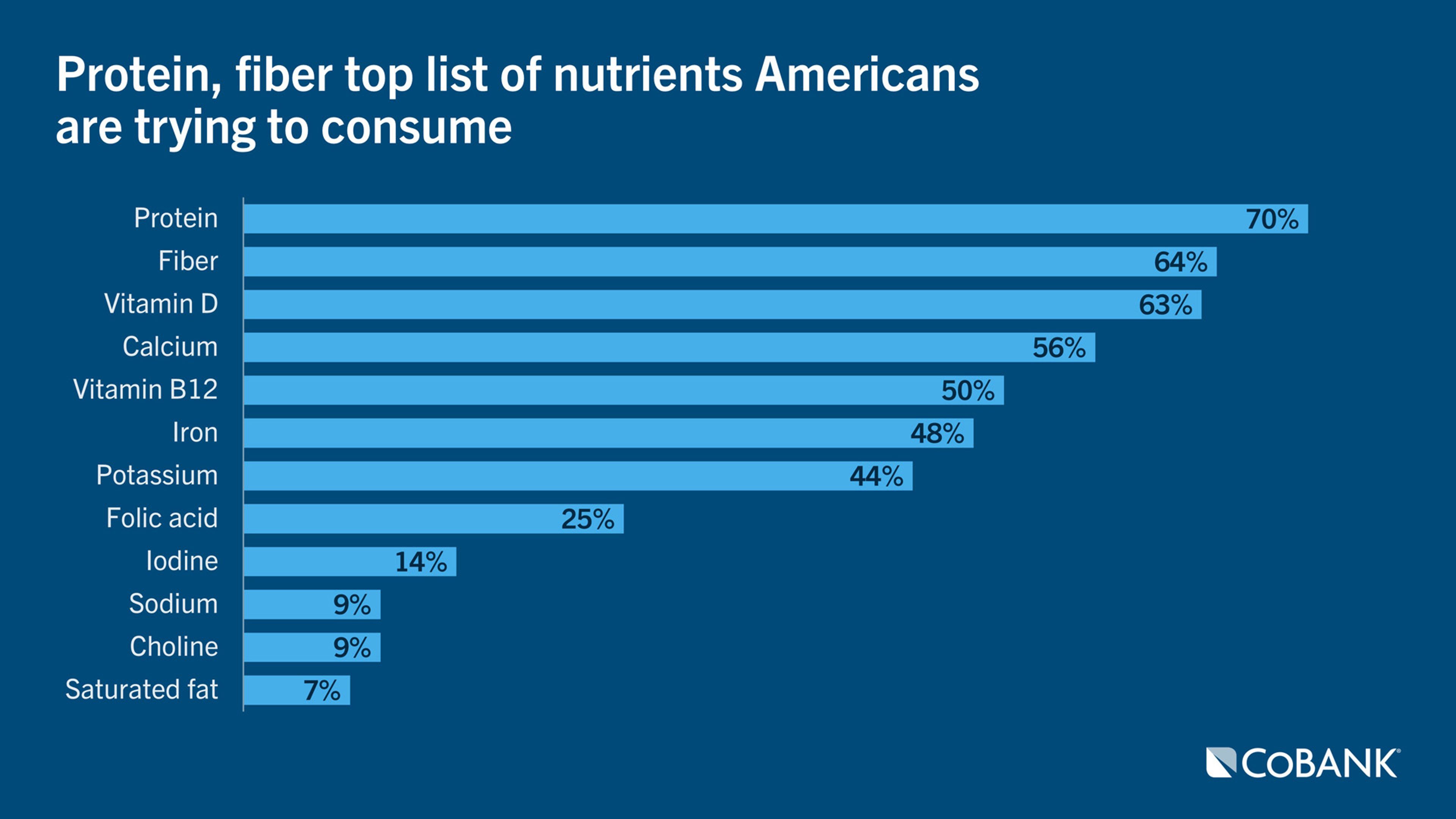
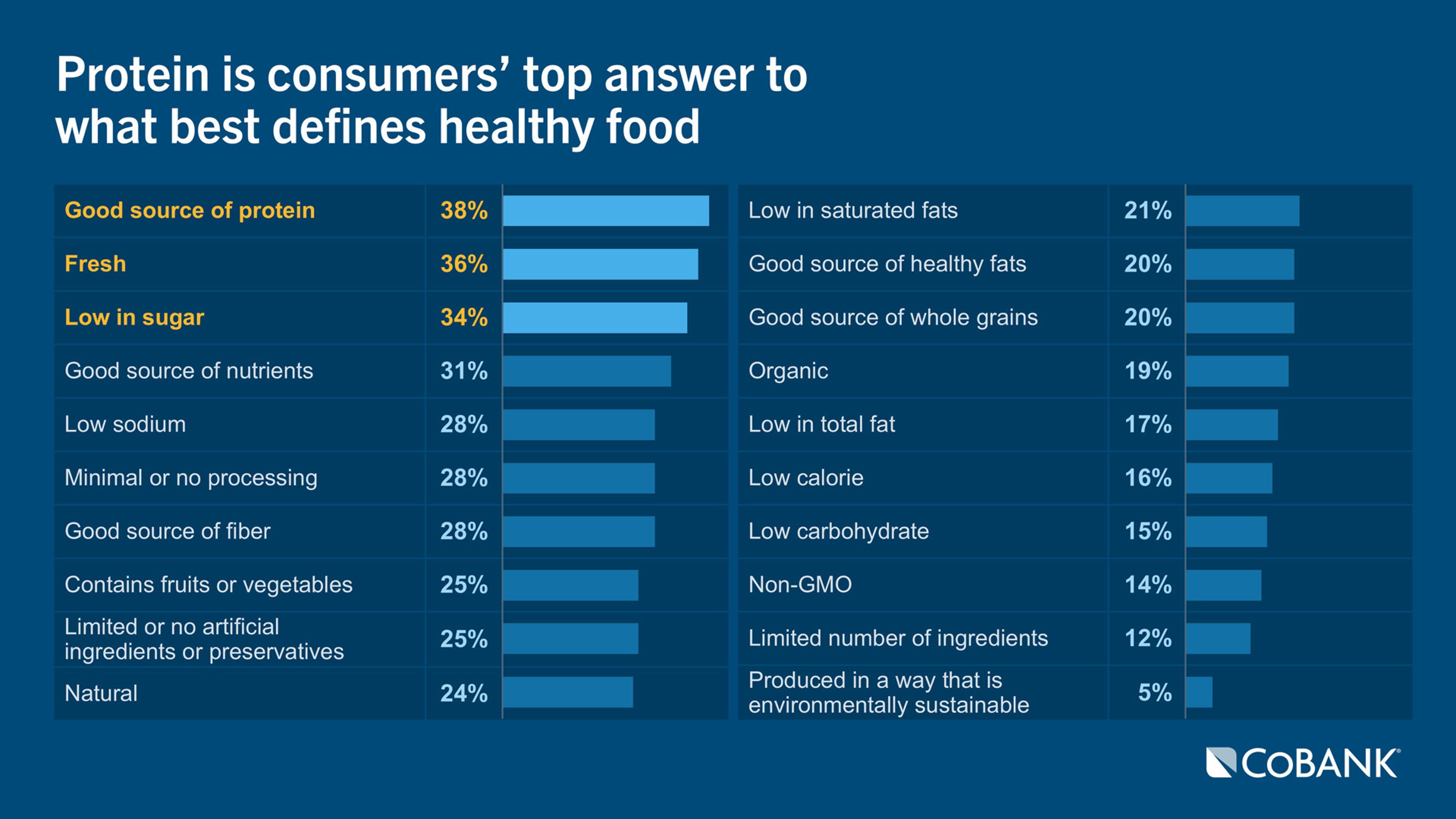
Consumers have already shifted their nutrition-seeking behavior from avoidance to added functionality. Better-for-you products were principally defined for decades by what they omitted: sugar, calories, artificial ingredients or ultraprocessed inputs. Consumers now increasingly want protein and fiber, along with benefits such as gut health, immune support, satiety or energy. These preferences are driving demand for positive nutritional value, not simply claim cleaner labels and the lack of certain elements.
Retailers turn nutrition into customer loyalty
The efforts are far from confined to food and beverage brands, however. Retailers are linking nutrition to customer engagement and loyalty. Kroger’s OptUP program helps shoppers make healthier food choices by providing nutrition scores of their food purchases and offering personalized recommendations. The program, in addition to wellness events, dietitian access and better-for-you sampling, demonstrates how grocery retailers can link food purchases to healthy-living behavior. Grocery retailers, along with potential other channels such as warehouse clubs, mass merchandisers, convenience and dollar stores, can use healthier products and nutrition recommendations to drive traffic, garner loyalty data, and spur private-label development and encourage engagement with pharmacy-related services.
Retailer Hy-Vee likewise initiated a health-focused effort to improve customer health. Angie Nelson, Hy-Vee's vice president of pharmacy, notes that Nourishing Change combines dietitians, nutritious offerings and advice to meet the consumer where they are in an effort to make the healthy choice the easy choice. Hy-Vee has partnered with a fintech firm to pilot its Smart Benefits program. It provides customers with a monthly stipend for fruits and vegetables, which they can increase through screenings and behavioral changes. Hy-Vee has also launched medically tailored meals, available over the counter, including heart-healthy options and meals designed for people with diabetes.
As Kroger has noted in its efforts to tie product choice to a consumer's better-for-you ambitions, grocery wellness is less about isolated product claims and more about actively participating in and helping guide the consumer’s health decision journey.
Protein leads, fiber gains ground
Whether a part of the trend toward food as medicine, a byproduct of the movement toward GLP-1 drugs or even a general quest for health, protein remains top of mind for consumers in their healthier ambitions. Food and beverage brands are responding, leaning into protein's role in providing satiety, sustained energy and muscle support.
The success of David high-protein food brand illustrates the demand. Speaking at The Wall Street Journal's Global Food Forum, David founder and CEO Peter Rahal said bars were just the start of his company’s ambitions as the company plans extensions into chocolate, salty snacks and other concepts. Its June 2026 introduction of a four-item line of high-protein ice cream (with protein content of 30 grams per pint) sold out in 28 minutes, at a price of $15 per pint.
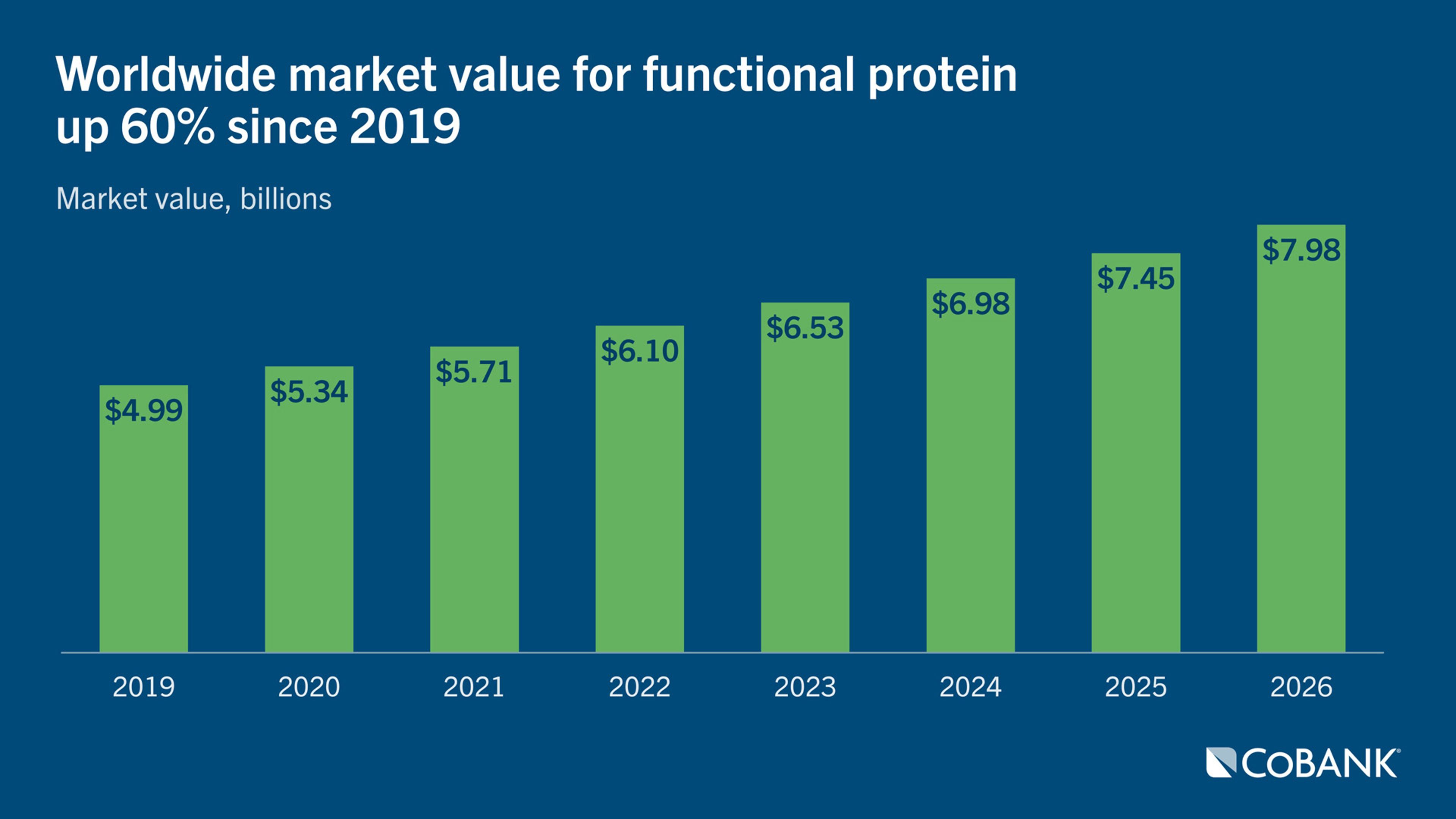
David is far from the only food brand leaning into the protein trend, as projections point to continued growth for functional proteins.
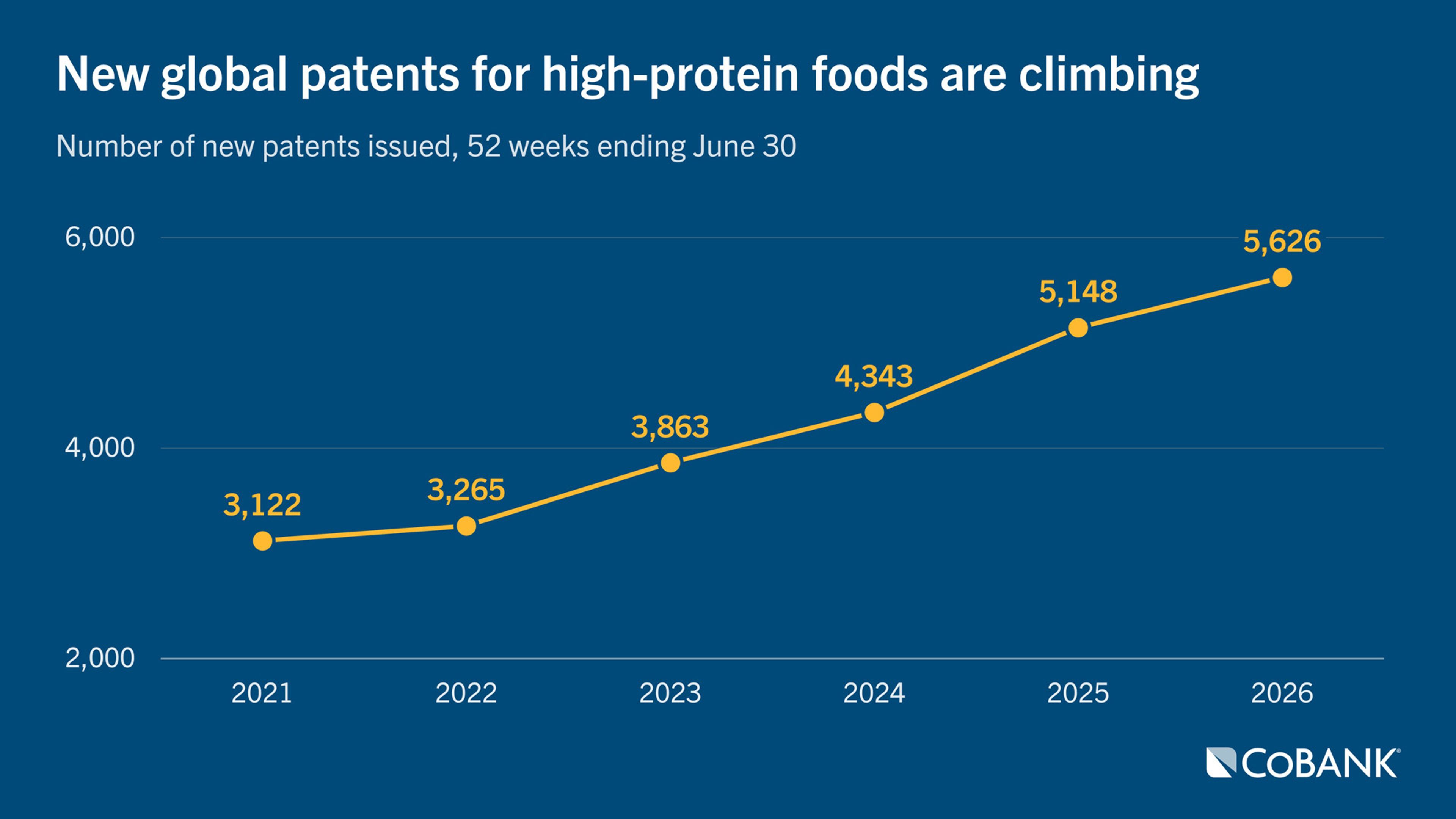
According to intellectual property law firm Mathys & Squire, patent applications for high protein foods reached 5,626 globally for the year ended June 30, 80% more than five years ago. Nestle led the way with 58 applications, followed by Cargill (46) and Arla Foods (28). Innovations included a high-protein dough formulated with whey microparticles, a plant-based whipping cream with twice the protein content of traditional whipping creams, and a protein ingredient developed from microorganisms that can be used in confectionery applications.
Protein remains the dominant force in better-for-you snacking. Dollar sales for snacks with 20 or more grams of protein rose 19%, according to data from SPINS, for the 52-week period ended March 22, 2026. Snacks with 10-19 grams of protein saw an increase of 13% in sales over the same period, while sales for snacks with less than 10 grams of protein rose just 3%.
A notable second claim that consumers are trying to incorporate into their food-as-medicine ambitions is fiber. Nearly two thirds of consumers (64%) indicate they are trying to add more fiber into their diet, seeking benefits ranging from digestive health to blood glucose management to satiety/fullness and gut health. SPINS data identified that snacks with 6-9 grams of fiber experienced the biggest dollar sales growth among snacks with fiber claims, rising 7% across multi-outlet channels for the 52-week period ended March 22, 2026. Fiber-forward offerings in the crackers and granola bars categories saw the largest increase in repeat purchases during the same period, up 26% and 116%, respectively, versus one year ago. For many food and beverage brands, however, formulation demands are proving to be something of a headwind. Taste, texture, moisture, sweetness and shelf stability can deteriorate when protein, fiber or sugar-reduction claims are pushed too far.
Functional ingredients gain strategic value
The food-is-medicine approach has so far focused on high-risk consumers with dietary intervention, for example medically prescribed diets for managing diabetes. Brands, however, have discovered that inherent health benefits can not only be a strong selling point with consumers but a feature to augment with other benefits, whether related to health or taste.
While studies indicate diets tailored to prevent and manage disease could save billions in health care costs, the concept is not without challenges. They include individual differences and preferences, as well as the difficulty of adequately measuring health benefits. The key for any food-as-medicine approach is a recognition that it is part of a consumer’s greater health and wellness strategy.
On a wider scale, an array of research indicates dietary changes can effectively manage or prevent numerous health conditions. An example of a marketed food benefit is cranberry juice’s association with urinary tract health. Urinary tract infections plague millions of consumers, particularly women. Ocean Spray states that cranberry juice is clinically proven to reduce recurrent symptomatic UTIs. According to the company, an 8-ounce serving of cranberry juice that contains 120 milligrams of proanthocyandins reduces UTI recurrence by almost 40% in women.
Indeed, functional ingredients have emerged as strategic assets. Nestlé’s work with Helaina around human lactoferrin has demonstrated how early-life nutrition, immune support and microbiome science are converging. Additionally, in the prebiotic space, Ingredion’s acquisition of Benicaros; highlights the demand for low-dose, clean-label, clinically supported fibers that can be used across foods, beverages and supplements.
Going forward, companies are likely to seek out differentiated ingredients with clinical evidence, formulation flexibility and proprietary supply chains, the combination of which may become more valuable than finished products alone.
Scaling nutrition brings supply chain challenges
The continued success of functional foods will require significantly scaling up production of bioactive ingredients. Even the most ardent advocates of food as medicine admit the supply chain challenges are big and may demand bold decisions.
The protein company David resolved just such a challenge through M&A investment. Key to its success has been a proprietary ingredient, esterified propoxylated glycerol (EPG), a fat that the body does not absorb but which helps a product maintain a creamy texture. EPG proved so essential to David's line that it acquired EPG inventor Epogee in 2025 and has been striving to scale production. David's products utilize the entirety of Epogee's current production capacity.
The most scalable models will likely combine nutrition guidance, affordable product formats, evidence-based claims and technology-enabled personalization that can reach a fairly wide array of consumers with degrees of customization to tailor products to their needs.
Turning better nutrition into a growth strategy
Health-led nutrition is becoming a cross-sector growth theme, and the notion of food as medicine has different connotations for each segment of the food and beverage industry. For food brands, success will hinge on merging credible nutrition benefits with indulgence, convenience and acceptable price points, to reach not only a wide array of consumers of different economic levels but also to fit their lives relatively seamlessly. As retailers such as Kroger and Hy-Vee have already found, health platforms can deepen customer engagement and strengthen private-label differentiation and, for that matter, provide a key impetus to shoppers to return time and again. Ingredient suppliers may face the most notable challenge, in that their customers are increasingly going to seek clinically supported, low-dose, clean-label and formulation-friendly ingredients to meet their strategic nutrition ambitions.
Steiber sums up the potential for food as medicine as one that incorporates a holistic approach to nutrition, bringing together growers and manufacturers and dietitians to find bridges between what consumers need, what they want and what they will actually eat. Making sure growers are not left out of the equation, she suggests greater collaboration within the food industry and suppliers, likely not on a national level but on a more regional or even state-by-state basis. The strongest opportunities will likely be where consumer pull, medical relevance, clinical evidence and scalable manufacturing intersect.
Disclaimer: The information provided in this report is not intended to be investment, tax, or legal advice and should not be relied upon by recipients for such purposes. The information contained in this report has been compiled from what CoBank regards as reliable sources. However, CoBank does not make any representation or warranty regarding the content, and disclaims any responsibility for the information, materials, third-party opinions, and data included in this report. In no event will CoBank be liable for any decision made or actions taken by any person or persons relying on the information contained in this report.