

Generative artificial intelligence is reshaping workplace tasks and slowing hiring, but gradual adoption rather than layoffs will define its labor impact.

Knowledge Exchange
Big‑picture economic insight that clarifies what matters for your industry and balance sheet.
Generative artificial intelligence is reshaping workplace tasks and slowing hiring, but gradual adoption rather than layoffs will define its labor impact.

Election pressures, trade disputes and Farm Bill delays heighten economic uncertainty for agriculture and rural America.

Higher rate expectations and growing competition for capital are keeping long-term borrowing costs elevated.

Rates have reset higher as inflation persists, growth remains firm and a more hawkish Fed raises long-term yield risks.

Expect higher energy costs to boost near-term headline inflation by about 1% and create lingering long-term inflationary effects. The spending tailwinds from the “wealth effects” of the escalating stock market and home price appreciation appear to be on pause for now. The combination of higher inflation and declining income growth will squeeze the bottom half of earners, hitting those segments of the economy particularly sensitive to discretionary spending.

Entering 2026, economic and policy uncertainties are much reduced from a year ago. Although a more pugilistic U.S. trade policy was expected from the new administration, the size and scope of the April “Liberation Day” tariffs sent stocks plummeting—the S&P 500 Index bottomed out 27% below its February high.

A forward‑looking analysis of the key forces shaping the U.S. rural economy in 2026, including interest rates, farm financial conditions, commodity markets, labor challenges, and macroeconomic trends influencing rural industries and agribusiness.
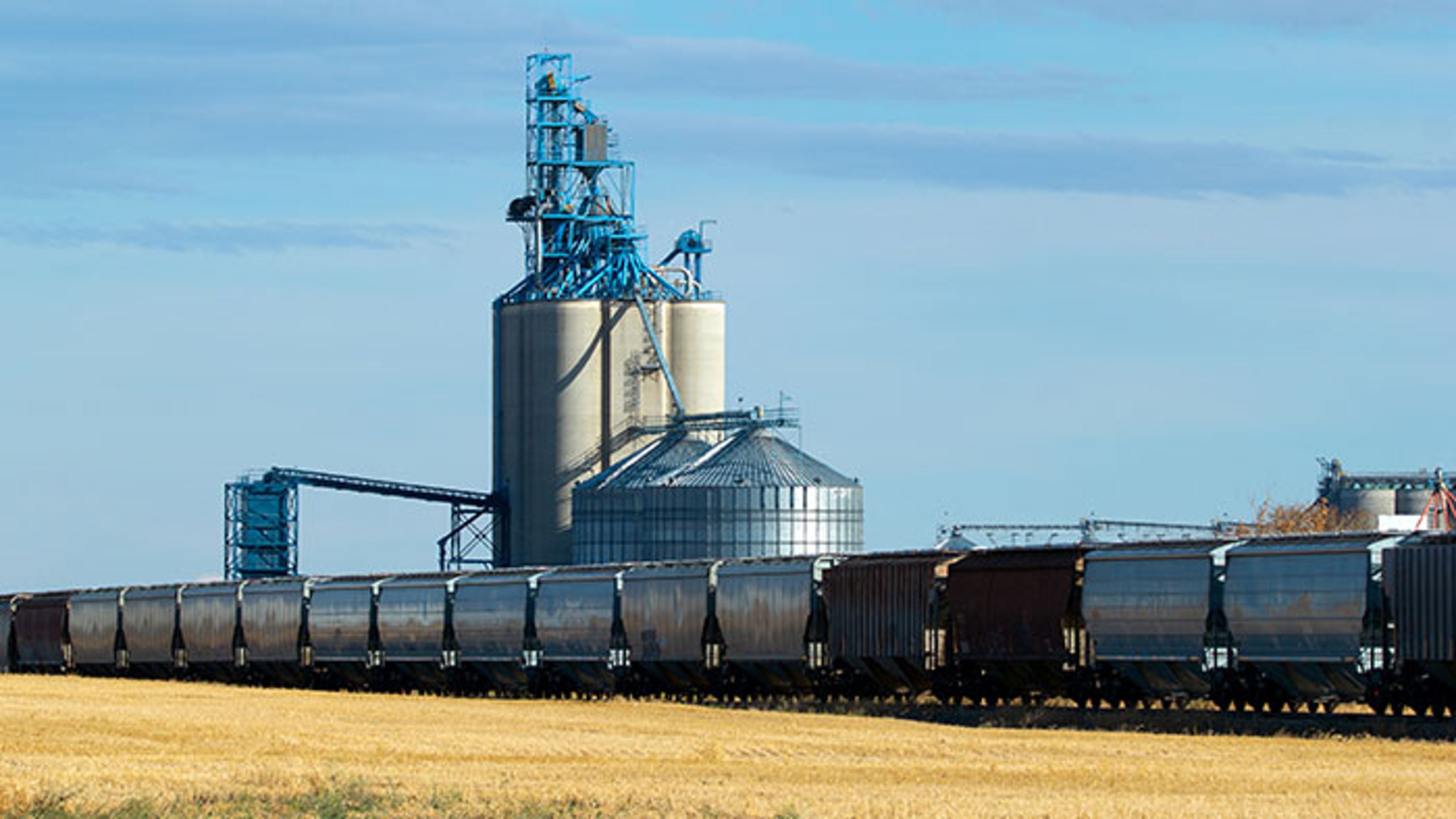
Mexico is on track to become the top export market for U.S. agricultural products, driven by strong consumer demand, competitive logistics, and shifting global trade dynamics that continue to reshape North American ag markets.

Get relevant and actionable insights from CoBank's industry-leading Knowledge Exchange research team.
Get relevant and actionable insights from CoBank's industry-leading Knowledge Exchange research team.