

Strong beef-on-dairy calf prices and processing investments are expanding U.S. dairy herds and reshaping farm profitability.
Knowledge Exchange
Clear, timely insight across the full dairy landscape, from farm to consumer.
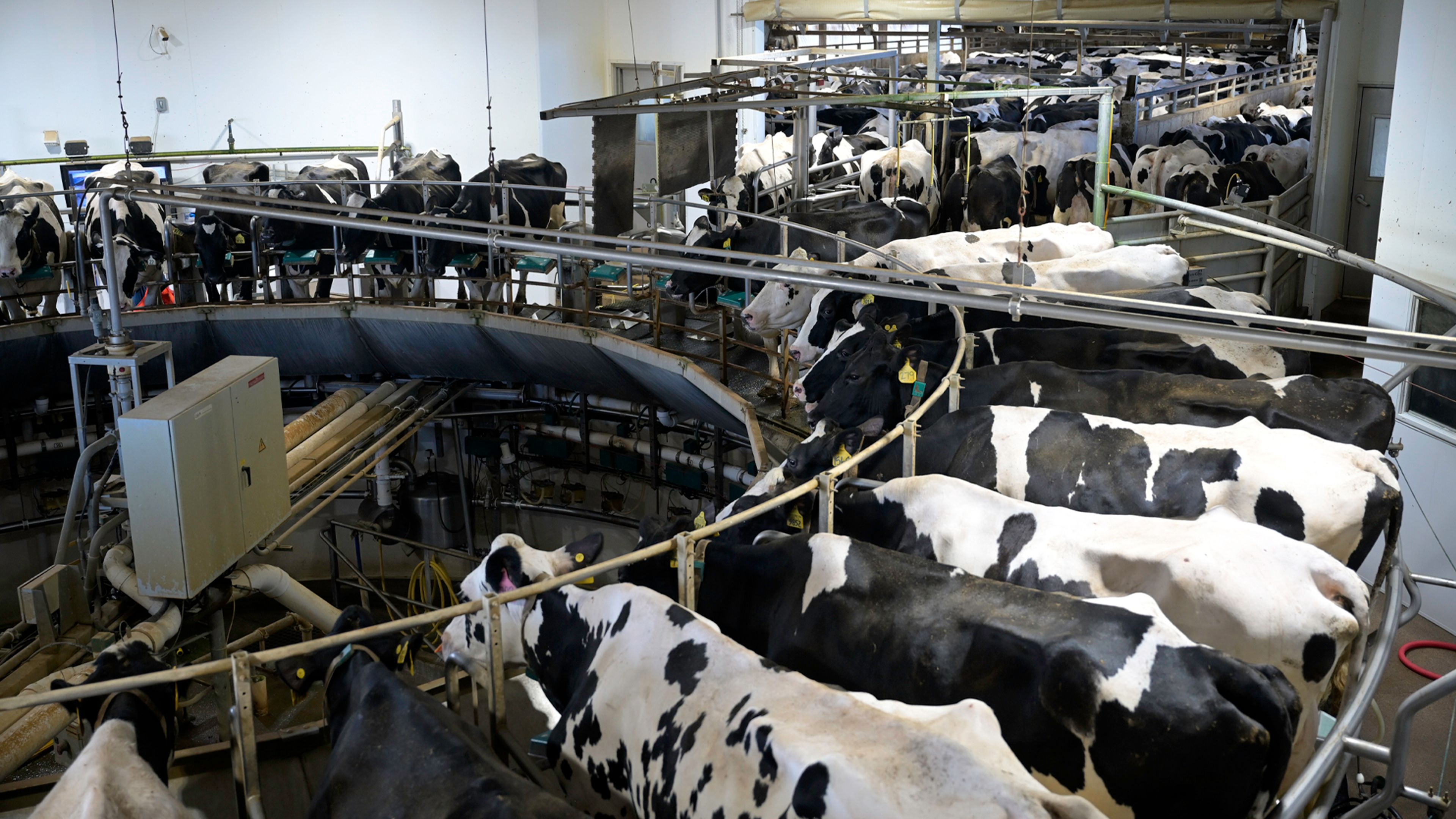
Strong beef-on-dairy calf prices and processing investments are expanding U.S. dairy herds and reshaping farm profitability.
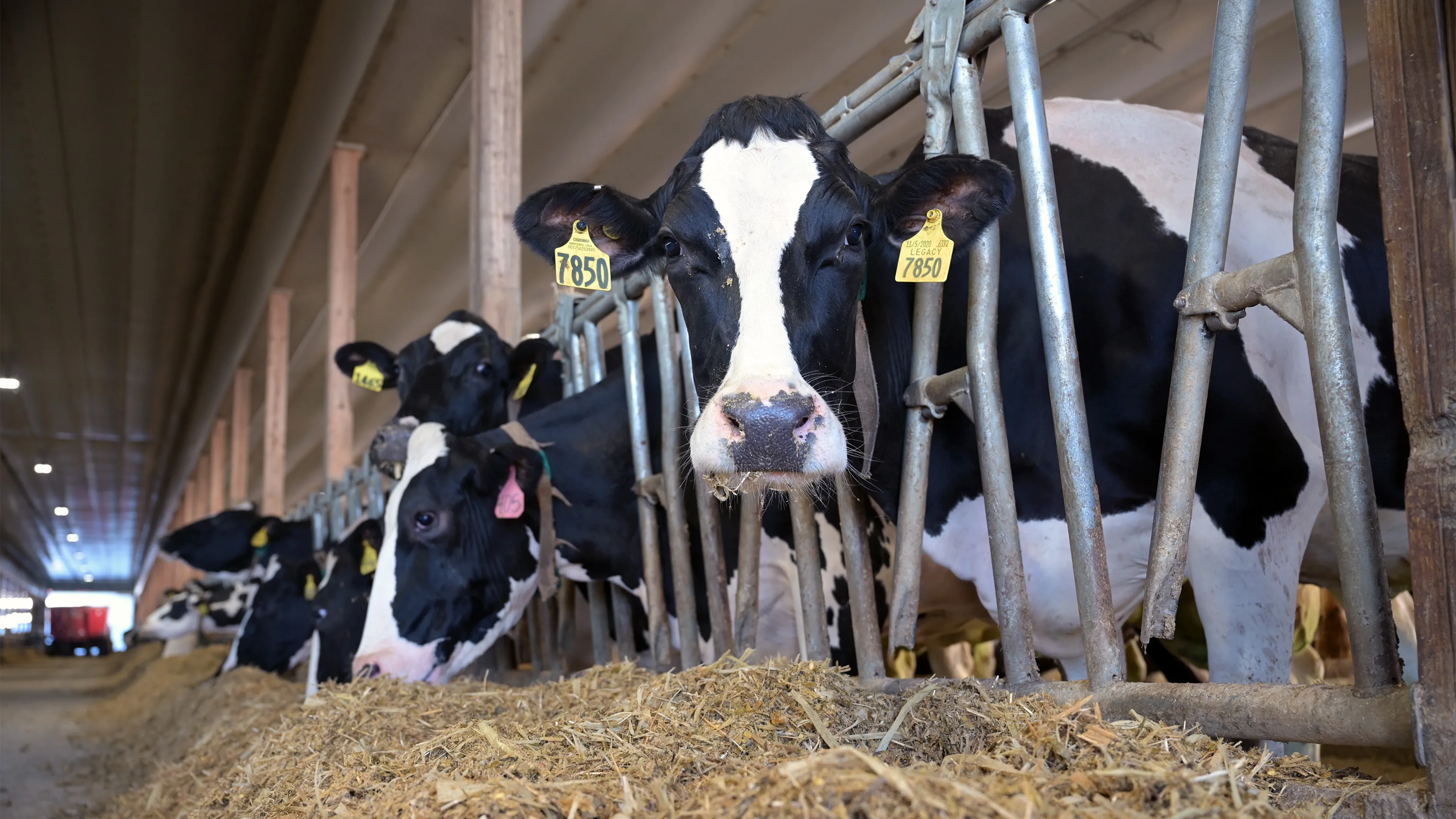
Higher butterfat and protein levels are boosting milk checks for U.S. dairy herds, reshaping how producers, processors and lenders evaluate revenue potential.
U.S. butterfat growth is outpacing protein, challenging cheese production and requiring stronger export markets, pricing incentives and genetic strategies.
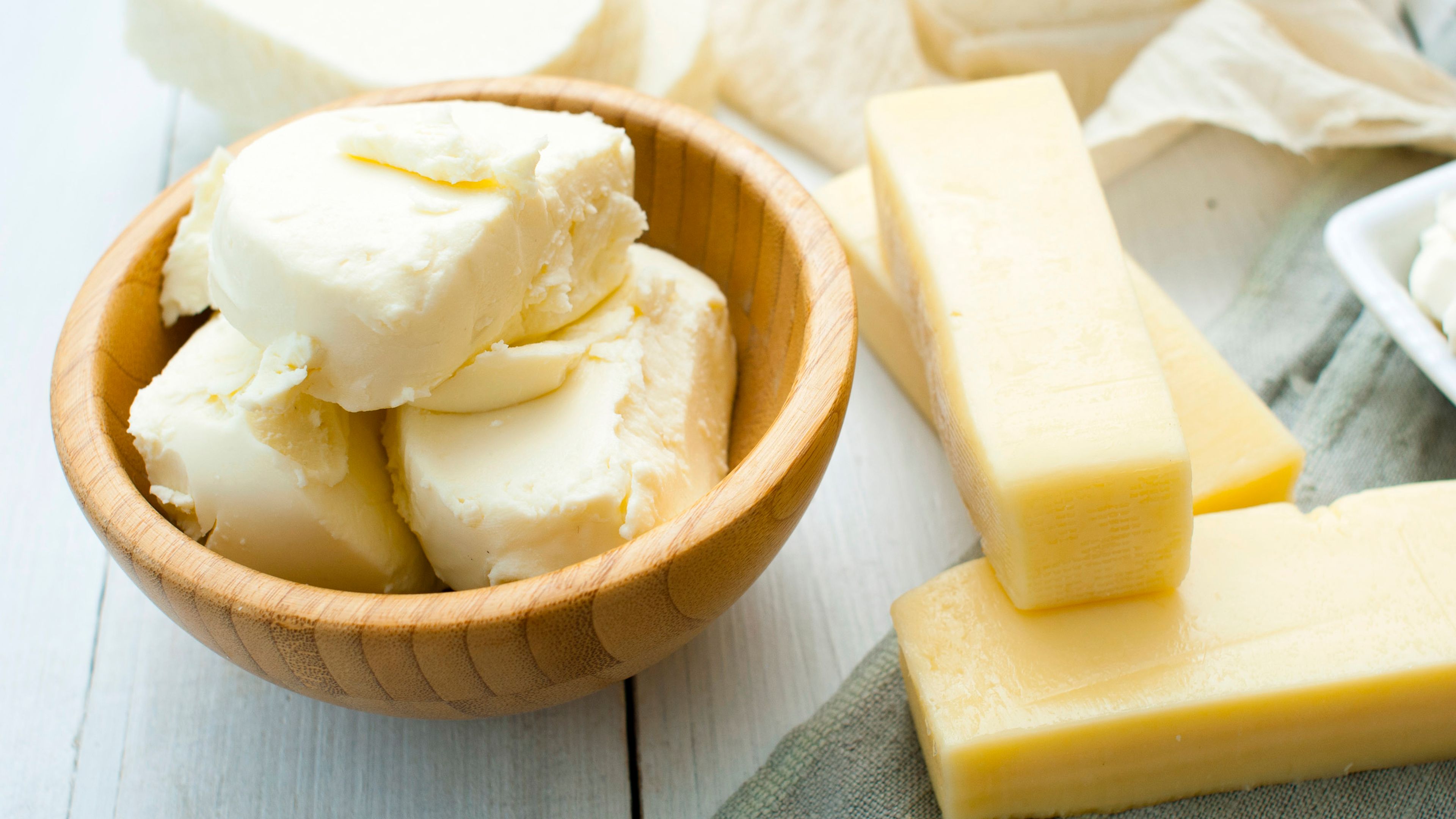
U.S. dairy exports are accelerating, led by record cheese and butter shipments amid rising butterfat production and competitive global prices.
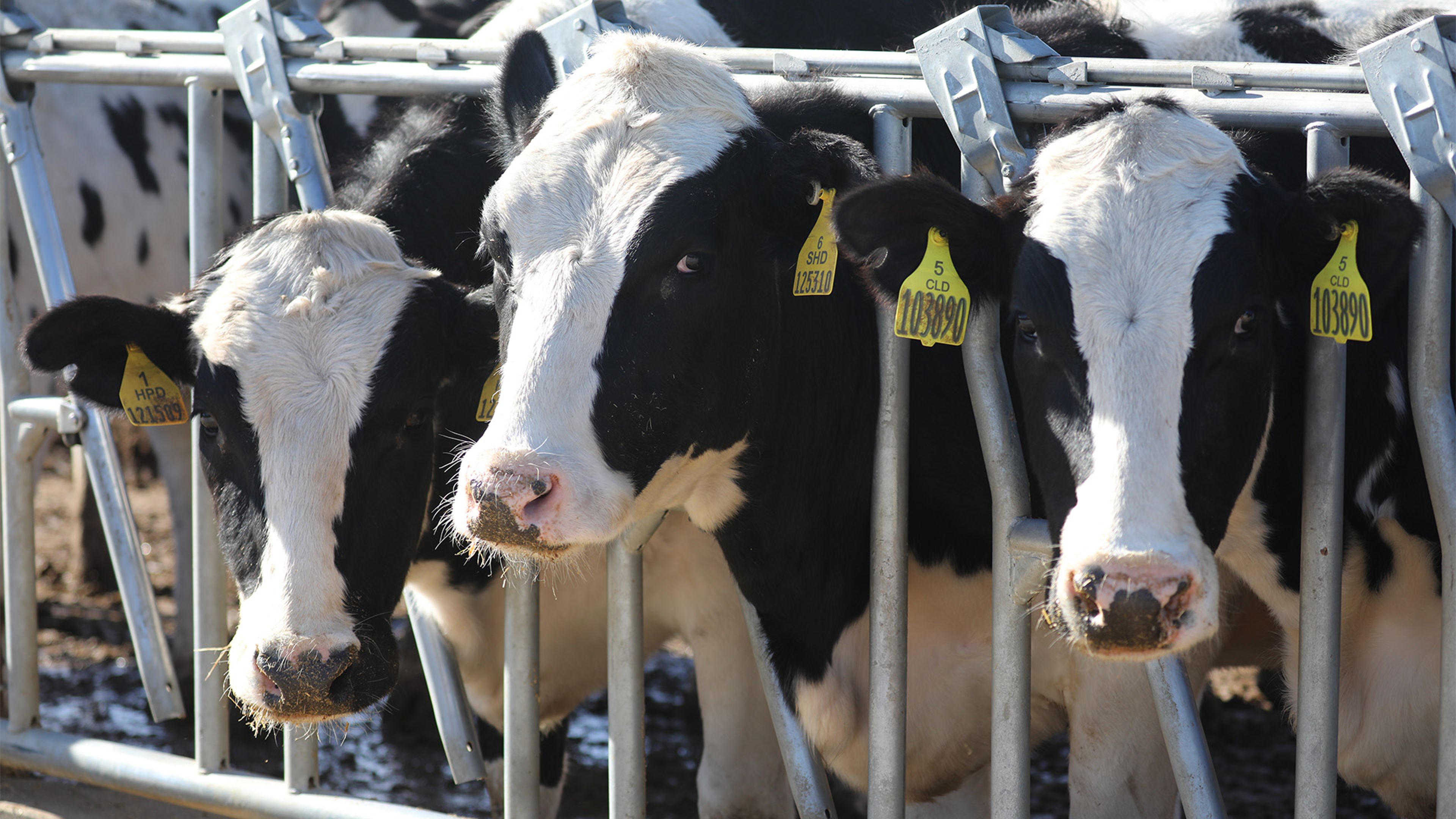
Strong consumer demand for high-quality protein is driving record beef prices and double-digit growth in protein-rich dairy products.
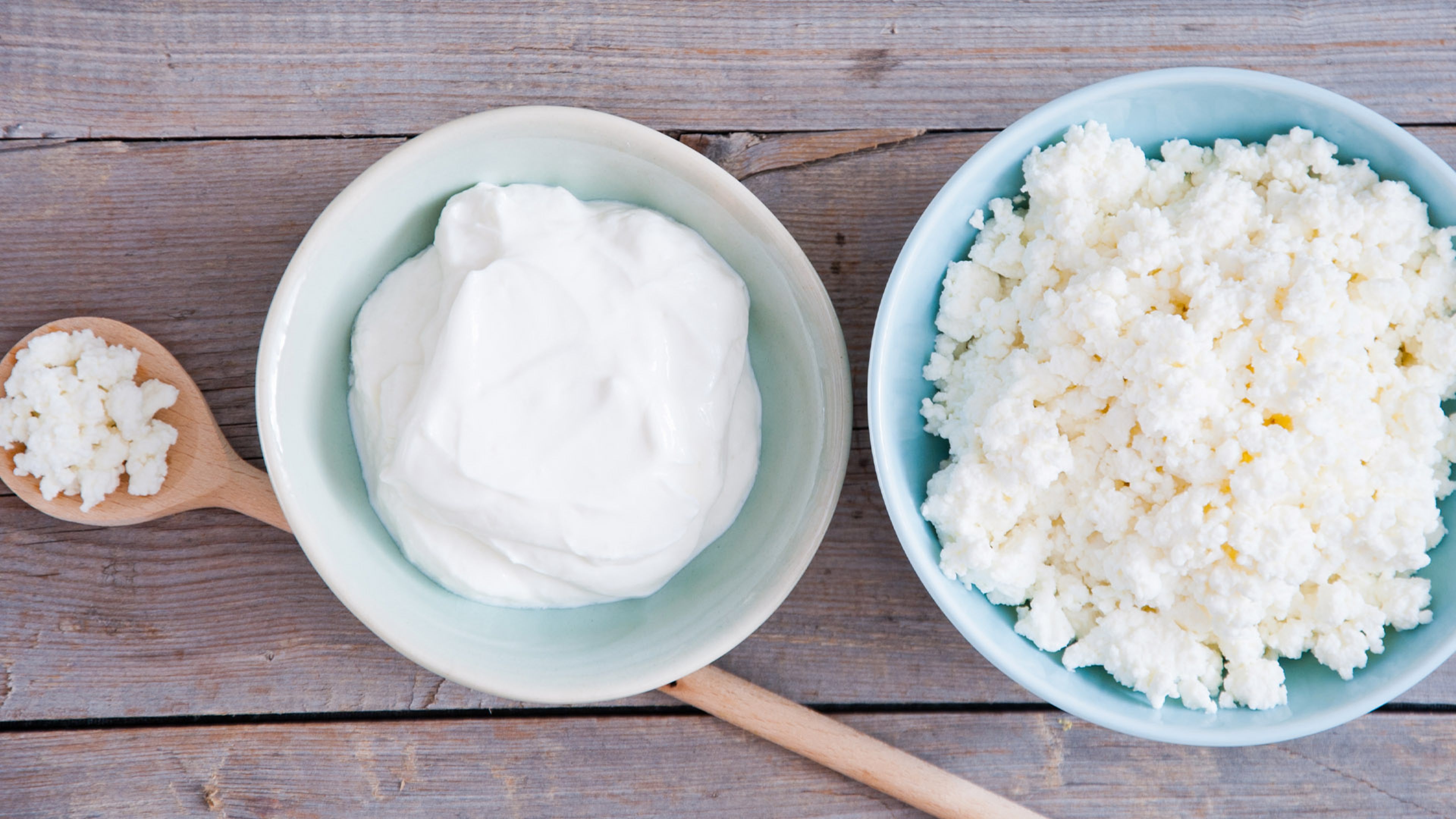
For decades, U.S. dairy markets have been balanced for butterfat while excess dairy protein was exported to international customers. In the future, the U.S. dairy industry may be short on protein but long on butterfat given strong consumer demand for dairy proteins and the historic growth in butterfat production. The changing dynamics between butterfat and protein production will cause more price fluctuation as dairy processors look to balance product in both domestic and international markets.
Consumer demand for foods with high-quality protein continues to surge. This demand has shifted buying patterns in dairy and beyond. Ultimately, this transformation in the retail space will significantly impact dairy processors and food manufacturers for the foreseeable future.
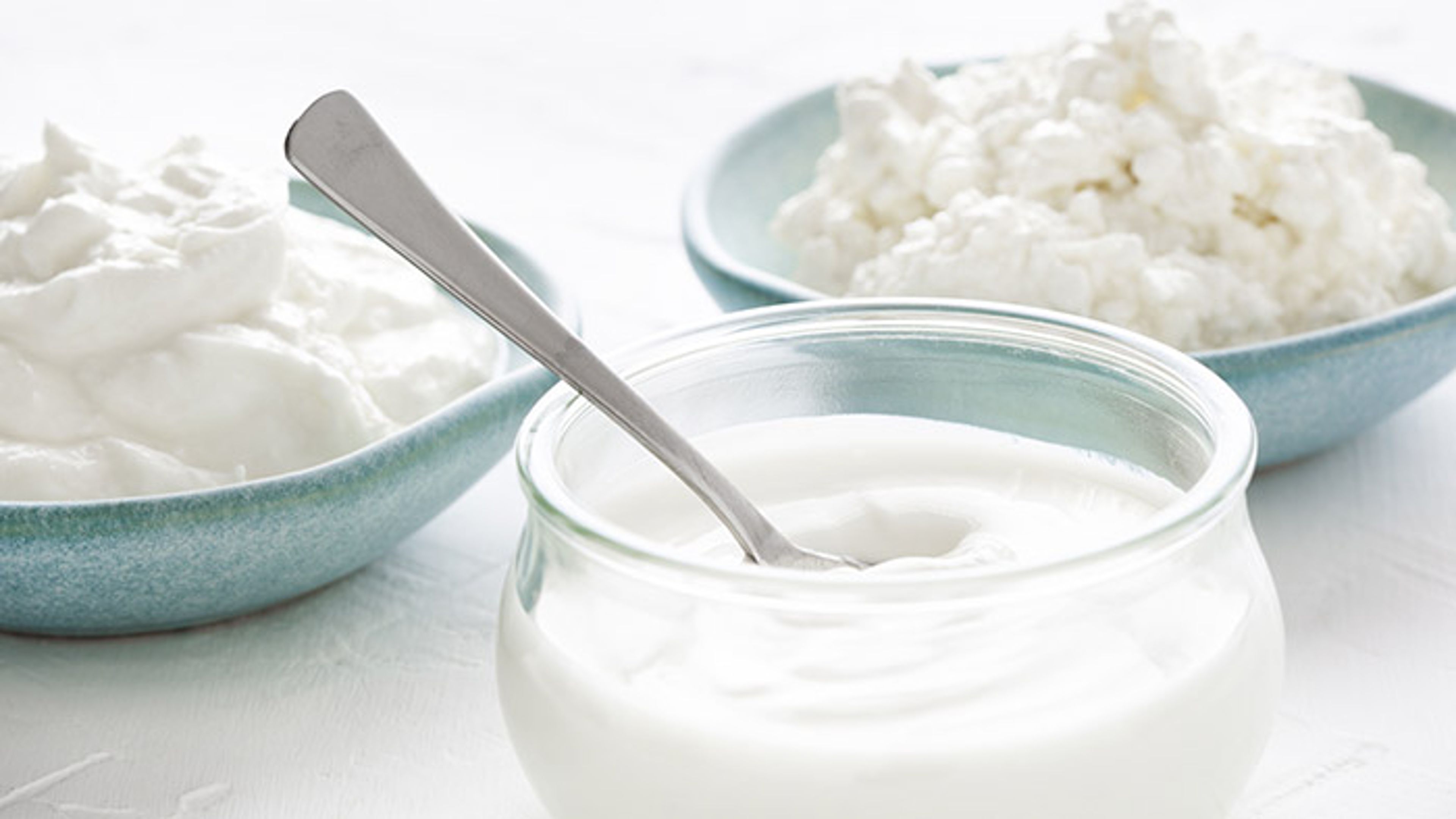
Over the past decade, butterfat led milk checks for eight of the 10 years. By 2021, the nation’s milk supply broke a seven-decade-old record for butterfat content at 3.95%.
Responding to milk price signals over the past decade coming from consumer demand for more nutrient-dense dairy products, U.S. dairy farms delivered milk with growing levels of butterfat and protein – the components for making cheese, butter and yogurt.
The U.S. dairy industry stands at a unique inflection point previously unseen in its modern-day history

Stronger genetics are pushing U.S. milk components to record highs, creating new opportunities across the dairy market.
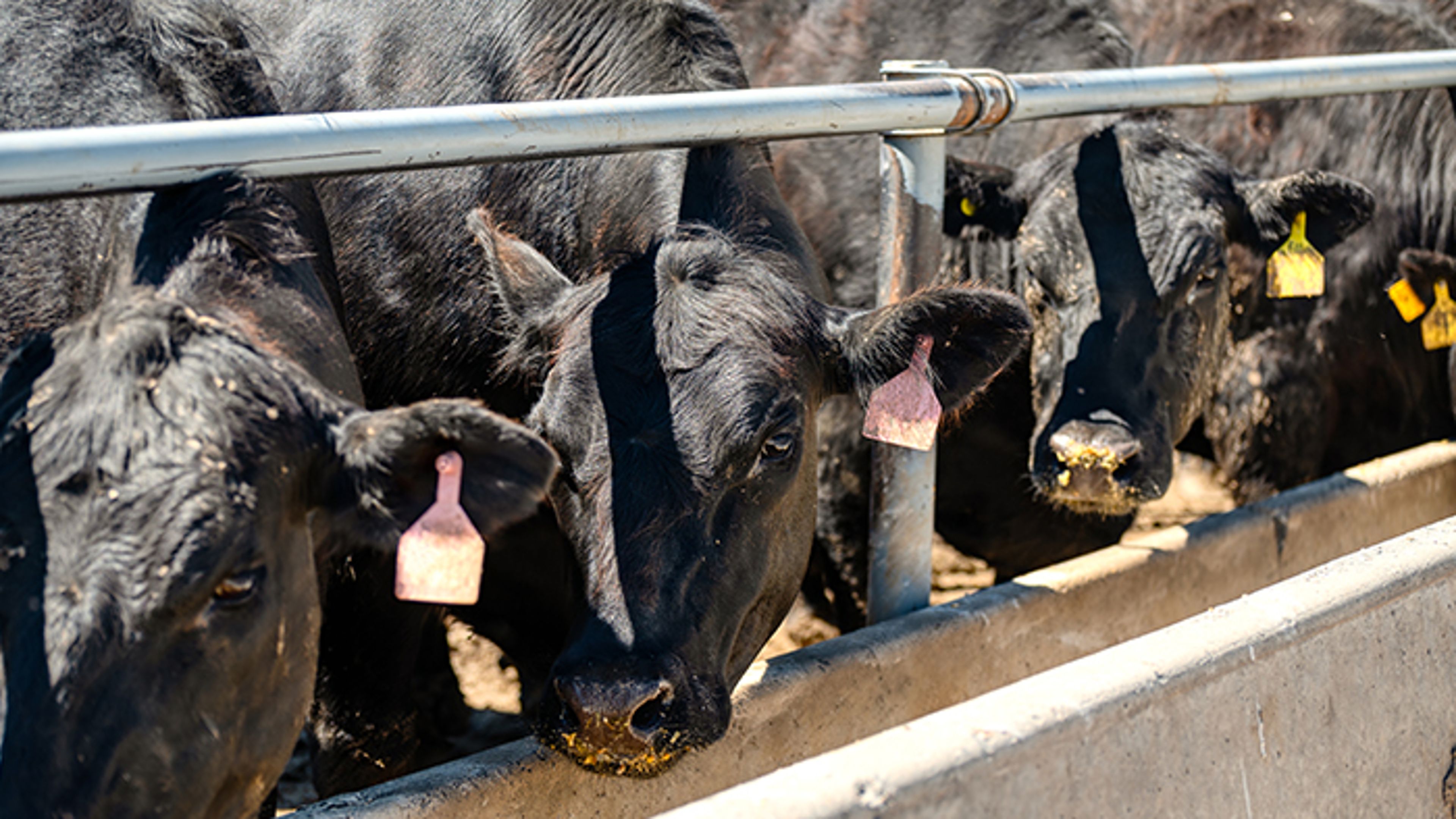
As the U.S. cattle herd continues to shrink to the lowest inventory since 1951, feedlots are pulling cattle from nearly every source they can find. Tight supplies and unwavering consumer demand have pushed cattle prices to new record highs, further straining packer margins.
Get relevant and actionable insights from CoBank's industry-leading Knowledge Exchange research team.
Get relevant and actionable insights from CoBank's industry-leading Knowledge Exchange research team.