
knowledge exchange
Vertical farms must trim costs, hone business models to achieve profitability

Key Points
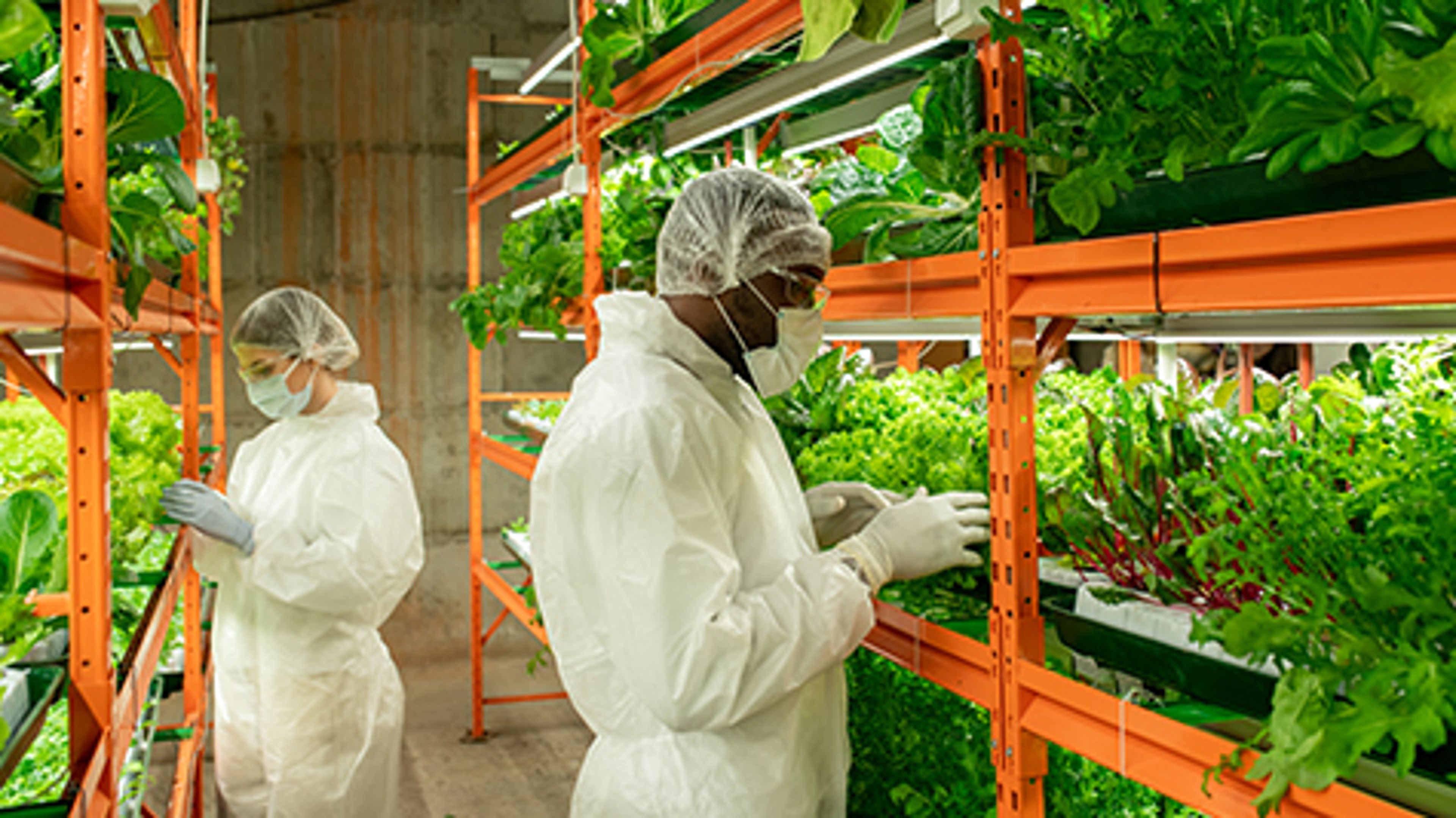
- In recent years, investors have put billions of dollars into indoor vertical farming, a subsector of controlled environment agriculture (CEA), to produce and distribute food closer to urban consumers.
- However, cash flow has been impaired by high upfront investment and operational costs, namely labor and huge energy expenses, coupled with the inability to capture premium pricing. Weak cash flow has been a significant impediment in attracting traditional types of financing to vertical farms, thus forcing them to rely on venture and private capital funding.
- Successful vertical farms have invested outside the grow house in technologies to not only increase productivity and quality of produce, but to also increase efficiencies in warehouse management and distribution.
- Industry consolidation appears to be the ultimate outcome. Survivors will have sufficient funding to outlast competitors through extended periods of negative cash flow and will be able to acquire the liquidated assets of competitors exiting the industry.
Disclaimer: The information provided in this report is not intended to be investment, tax, or legal advice and should not be relied upon by recipients for such purposes. The information contained in this report has been compiled from what CoBank regards as reliable sources. However, CoBank does not make any representation or warranty regarding the content, and disclaims any responsibility for the information, materials, third-party opinions, and data included in this report. In no event will CoBank be liable for any decision made or actions taken by any person or persons relying on the information contained in this report.