
Election pressures deepen economic uncertainty for rural America

Key points
- Midterm election pressures are limiting legislative progress as candidates focus on competitive races and voter concerns about affordability.
- Opposition to data centers is growing as communities question their energy demands, costs and local economic benefits.
- Low commodity prices, high input costs, trade disruptions and Farm Bill delays are intensifying uncertainty for agricultural producers.
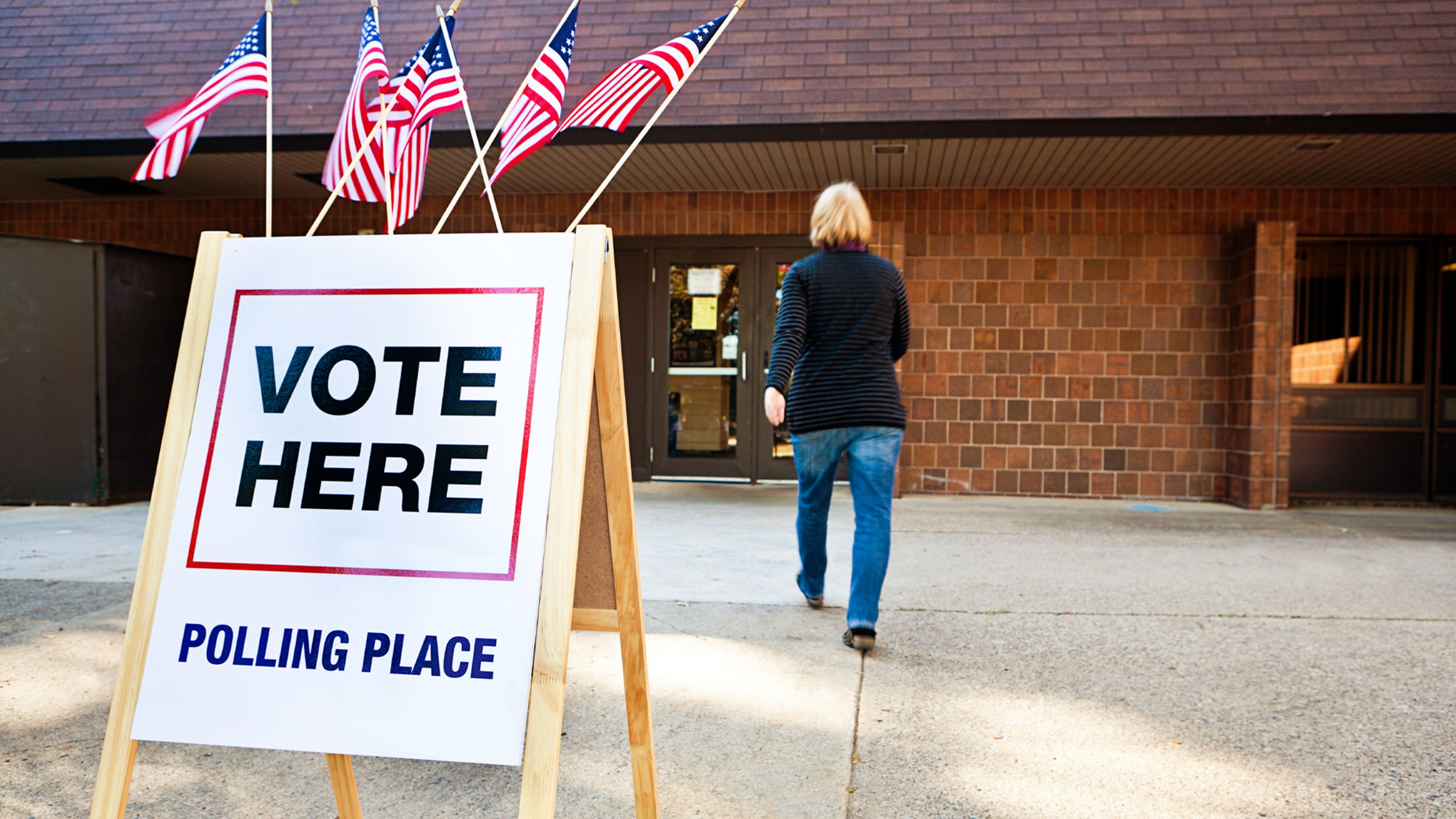
As the primary elections wrapped up, candidates emerged with renewed energy but also additional baggage. Congressional leaders became more focused on the tough midterm election cycle ahead, and legislative days were lost to campaigning. Those in tough districts and states have become more desperate for any legislative win while simultaneously working to differentiate themselves from problematic colleagues in their respective caucuses.
Midterm elections typically carry a similar theme: Those in power tend to lose the majority, but the real story lies in the individual races and issues driving voter sentiment across the country. In addition to administration decisions that continue to negatively affect farm economy, Congress has been unable to advance meaningful legislation that would provide producers with some certainty and relief. Progress on the farm bill remains unclear because politics have made bipartisan compromise difficult. While the Senate Agriculture Committee finally moved its farm bill out of committee on the second vote, the path to Senate adoption remains murky because bipartisan support is needed. Producers and the broader agriculture industry remain hopeful that whatever the November election brings, the urgent need for stability in rural America will convince legislators to resume legislating.
Artificial intelligence and data technology are driving the economy but also disrupting kitchen table conversations. For decades, investment in infrastructure that supports technology services, cellular devices, hospital data, precision farming and even the web was seen as a desirable use of energy and resources. Today, the infrastructure needed to support those services is being questioned and reconsidered. Frustrations with affordability and a lack of investment in resources taxpayers believe they are paying for are fueling opposition to data centers, driving rhetorical attacks on the Washington elite in both parties and depressing previously reliable voters.
“It’s the economy, stupid,” a phrase coined by James Carville when he advised Bill Clinton in his bid to unseat President George H.W. Bush, captured the moment. At a time when the economy has moved in unexpected ways, government-created upheaval has left many Americans wondering how they got here. The Trump administration has followed through on many of the promises made two years ago ahead of the 2024 election. While the border is secure and immigration enforcement is working overtime, agricultural workers and agribusinesses alike are trying to figure out how they will survive the ongoing depressed prices, elevated costs and tariff issues affecting international trade.
Rural America largely supported President Trump’s return to office, but many voters are now exasperated with his desire to continue a war that few asked for. Farming inputs have been collateral damage in the dispute, and ag producers are once again being asked to carry the burden of the administration’s efforts to weaponize trade relationships worldwide. Farmers would rather have certainty in their industry than adverse and changing policies that need to be backstopped with additional government payments.
Disclaimer: The information provided in this report is not intended to be investment, tax, or legal advice and should not be relied upon by recipients for such purposes. The information contained in this report has been compiled from what CoBank regards as reliable sources. However, CoBank does not make any representation or warranty regarding the content, and disclaims any responsibility for the information, materials, third-party opinions, and data included in this report. In no event will CoBank be liable for any decision made or actions taken by any person or persons relying on the information contained in this report.