Generative artificial intelligence is reshaping workplace tasks and slowing hiring, but gradual adoption rather than layoffs will define its labor impact.
knowledge exchange
The Quarterly: Energy demand and borrowing costs test rural resilience
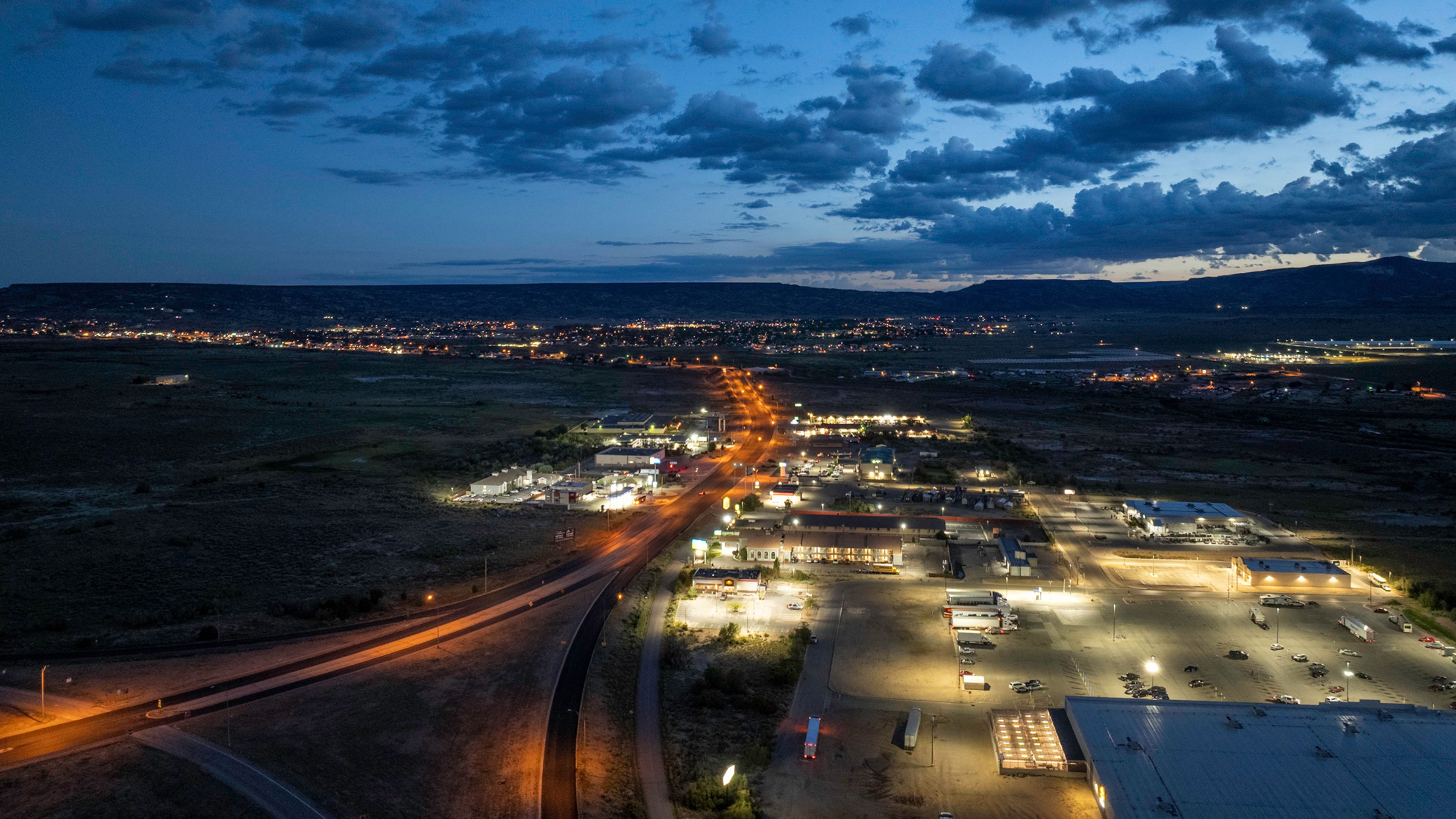
Elevated borrowing costs, tighter agricultural margins and surging infrastructure demands are testing resilience across the rural economy. In the background, artificial intelligence is augmenting tasks rather than replacing occupations. While these forces are creating new opportunities, they’re also raising the stakes for businesses, producers and service providers deciding where to invest, adapt and compete.
Highlights from this Quarterly report
- Generative AI is changing work more gradually than many forecasts suggested. AI is primarily helping employees complete specific tasks rather than replacing entire occupations, but slower hiring and fewer entry-level opportunities may create challenges for recent college graduates.
- Intermediate- and long-term interest rates are likely to remain elevated as investors expect short-term rates to stay higher for longer and markets absorb growing government and corporate debt.
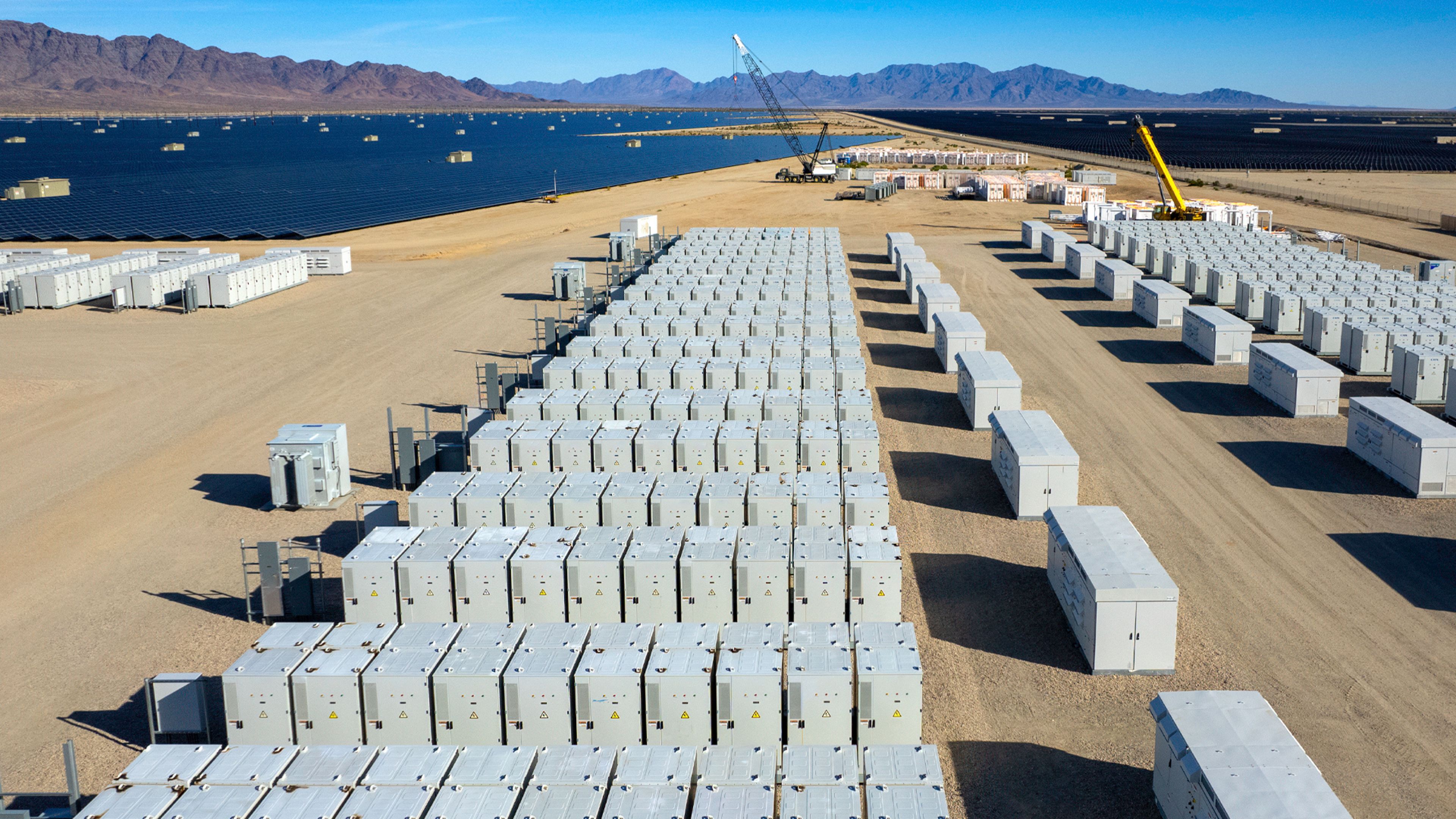
- Rural infrastructure providers are facing significant changes. Rising electricity demand is coming from more than just data centers and grid operators must connect new generation and large loads more quickly. Meanwhile, cybersecurity vulnerabilities at smaller water systems underscore the need for funding, technical assistance and stronger operational safeguards.
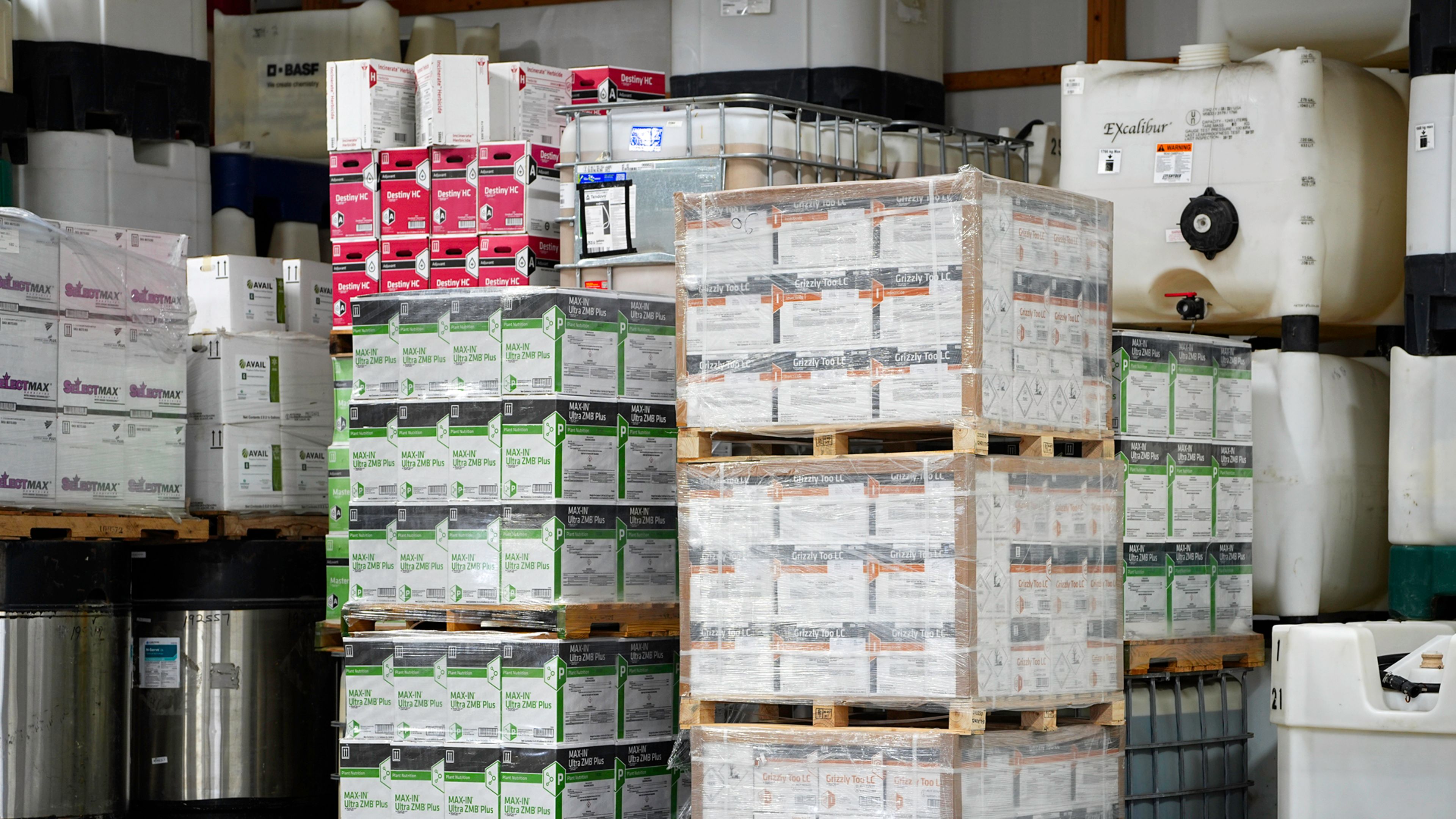
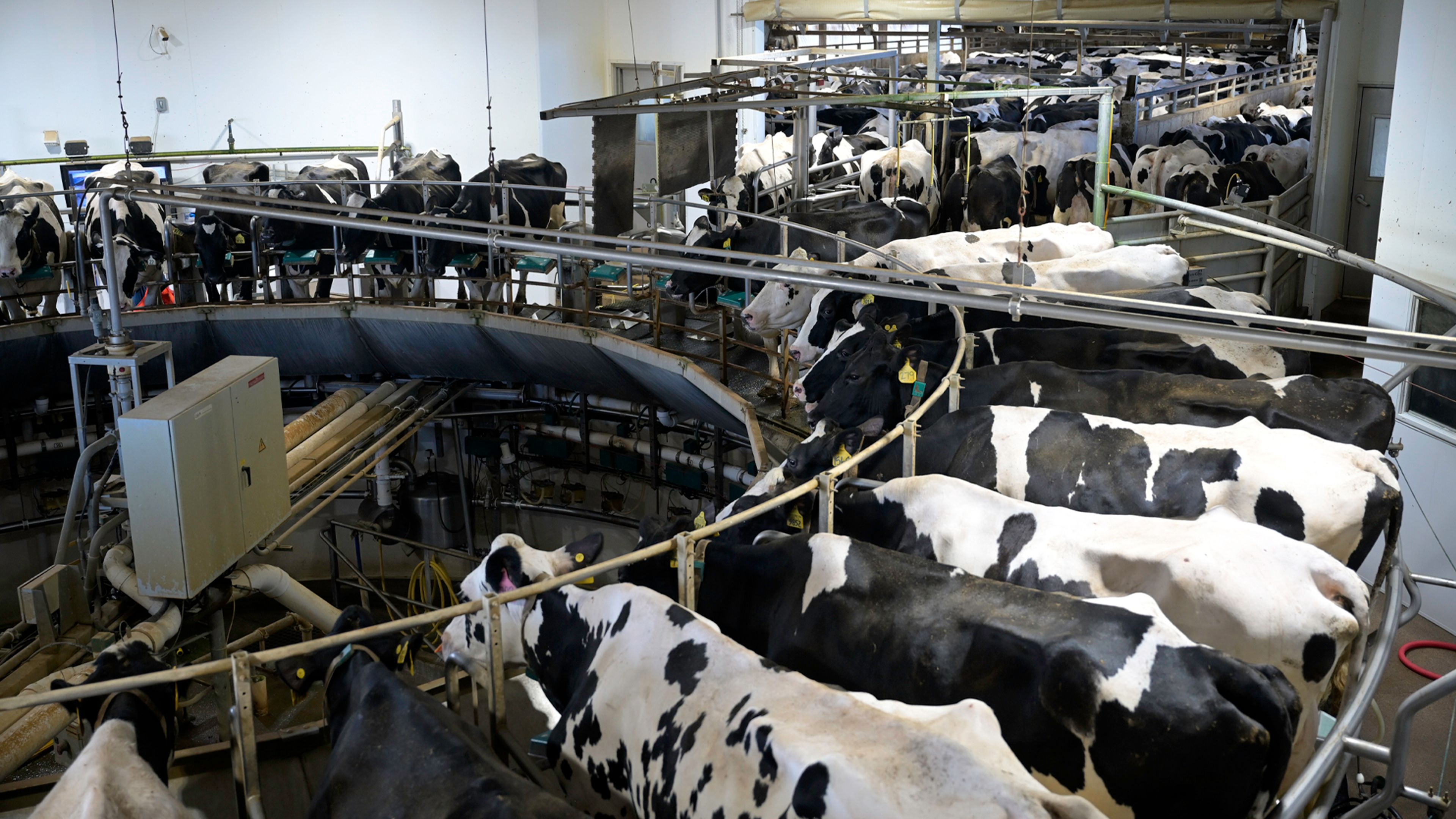
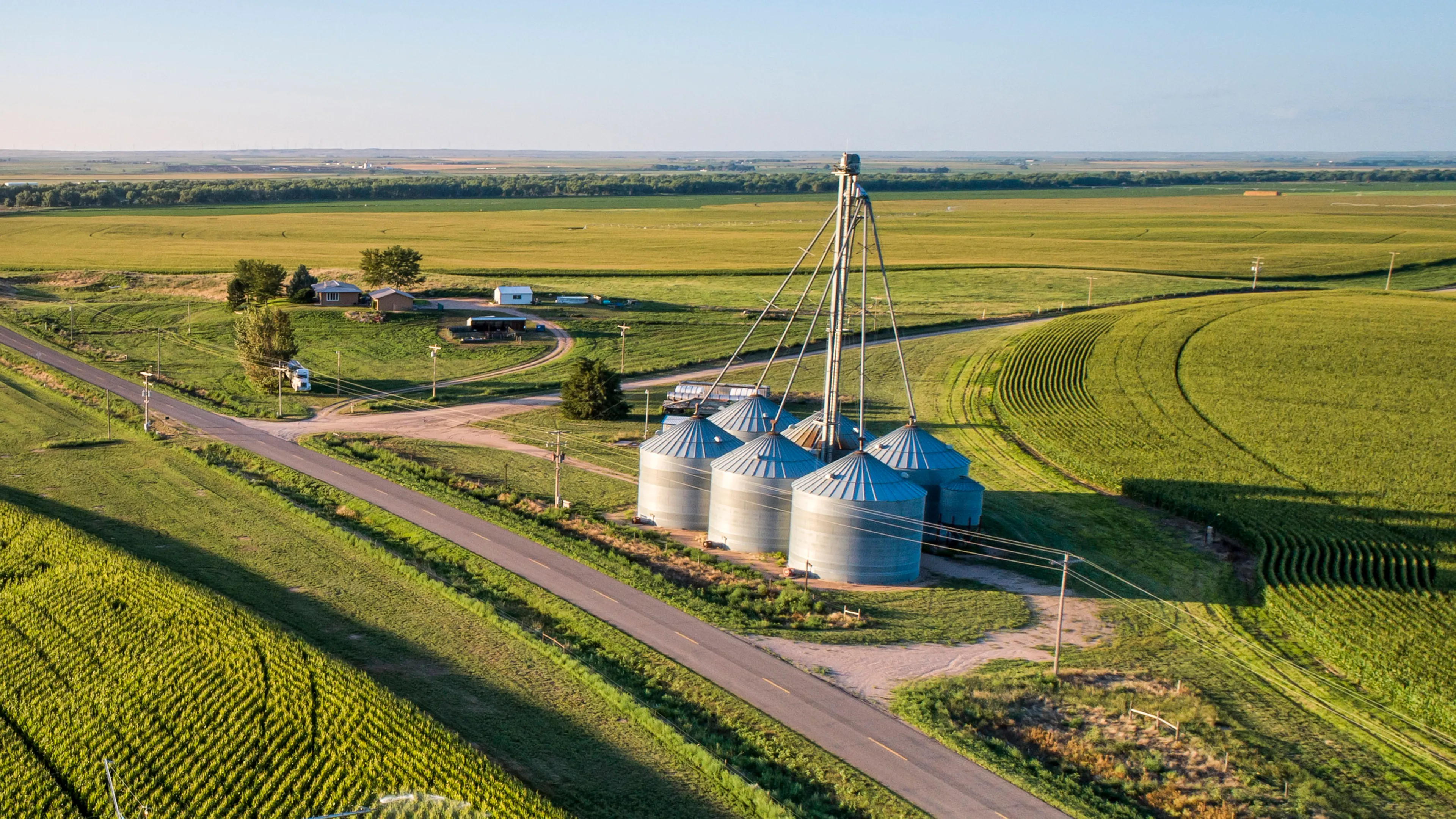
- Across agriculture, tighter supplies are supporting prices for corn, wheat, cotton, rice and sugar, but higher fuel, fertilizer and other input costs continue to squeeze producer margins. Strong soybean crushing and biofuel incentives are creating additional demand, while animal protein sectors face sharply different supply and margin conditions. Dairy producers are increasingly relying on beef-on-dairy calf revenue as herd expansion pressures milk prices.