
Volatility grips grain and oilseed markets on tight supply and robust demand

Key points
- Global corn supplies are tightening as U.S. harvest shrinks and weather risks mount.
- Record soybean crush and strong export demand are offsetting record U.S. production.
- Shrinking Black Sea exports are reshaping global wheat trade.
Corn
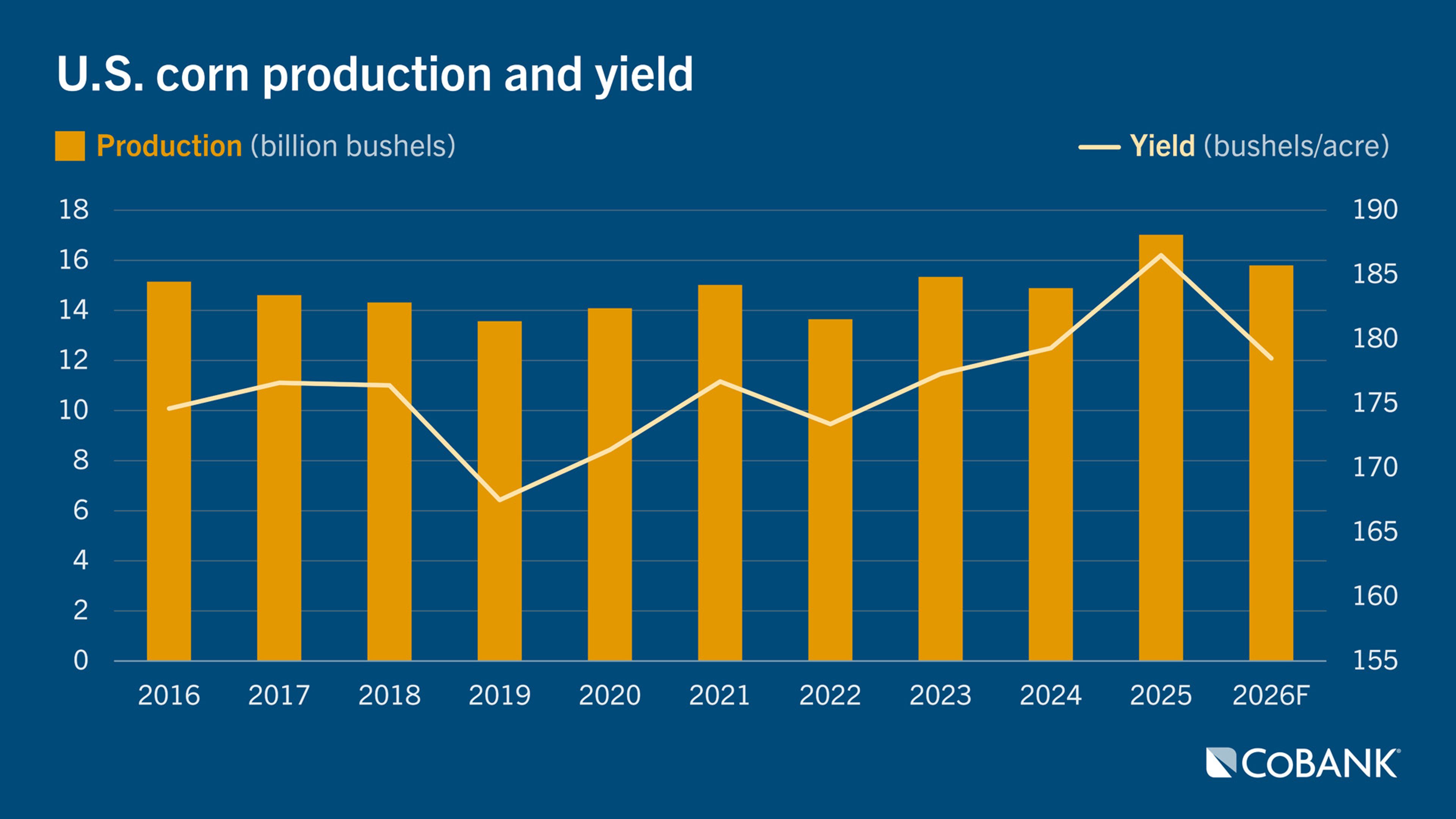
Concern over a shrinking U.S. corn harvest sent corn prices 20% higher last quarter as yield prospects sank under extreme heat and dryness. USDA estimates the U.S. crop at 15.80 billion bushels, down 7% year over year, primarily because of lower yields in the Western Corn Belt and reduced acreage. However, the higher prices appear to have cooled domestic consumption. USDA’s September 30 Grain Stocks report found 2.095 billion bushels of old-crop corn remaining on Sept. 1, about 173 million above the ending-stocks figure in the September WASDE.
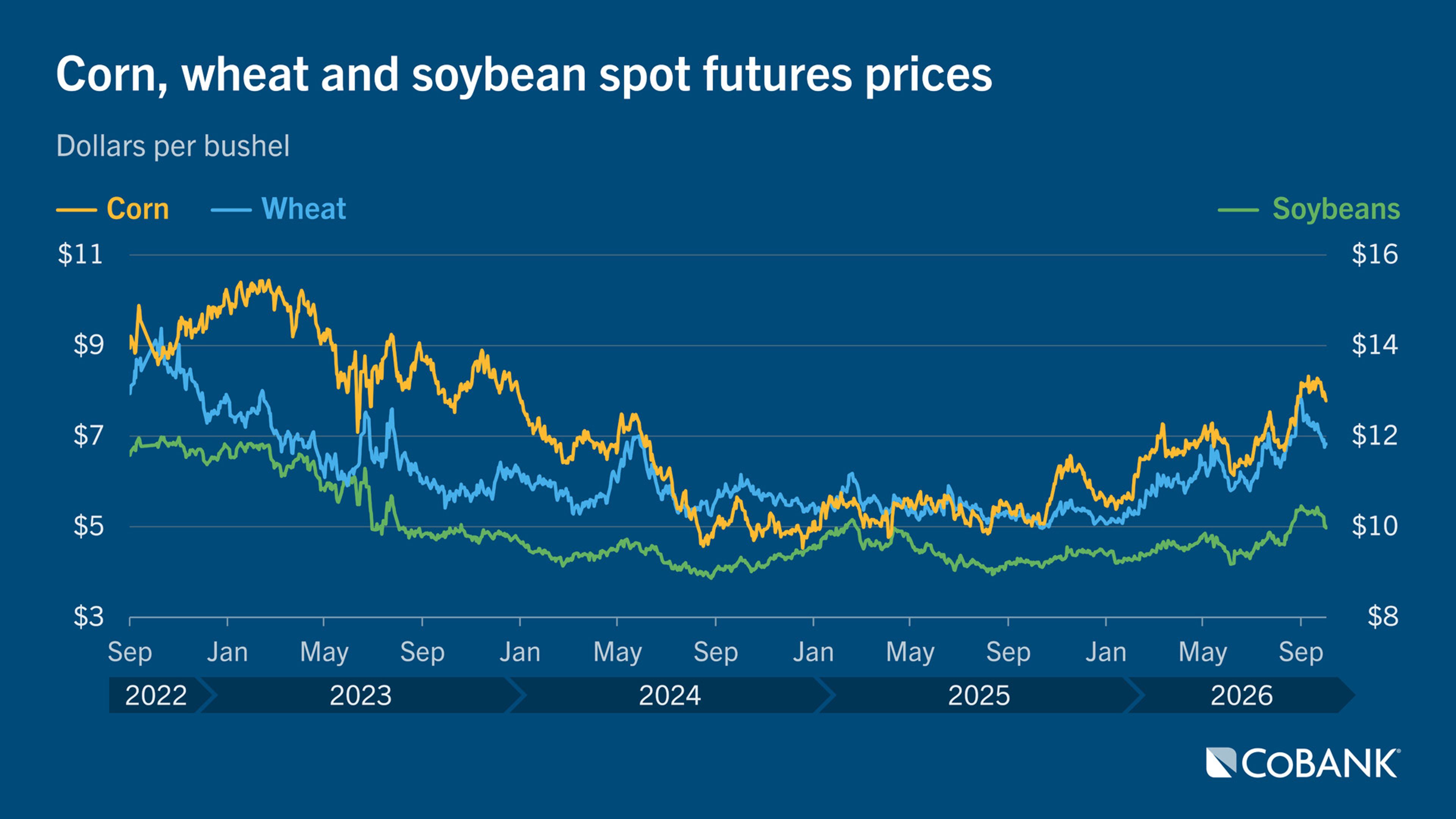
Tighter U.S. corn supply is raising concerns about price and market volatility among end users. A steep reduction in the European corn crop due to historic heat and declining Ukraine shipments amid the war with Russia will leave global end users competing for scarcer bushels. Ethanol demand for corn is expected to remain robust amid high fuel and ethanol prices, pressuring livestock and poultry operators to trim feed rations. Large U.S. carryover inventories from last year’s record crop will be a needed supply buffer for end users.
Analysts expect another record South American corn harvest to ease tight global supplies. Rapidly expanding ethanol use in Brazil, though, will limit corn available for export. A historically strong El Nino that threatens to disrupt planting conditions in Brazil will maintain a premium for corn through the Brazilian growing season.
Soybeans
U.S. soybean crush continues to reach record highs as processors add capacity to meet the EPA’s expanded biofuel mandate, with soybean oil the main feedstock for biomass-based diesel. Historically large crush margins have prompted crushers to announce additional expansions scheduled to come online in late 2028. The brisk crush pace has strengthened soybean basis nationwide, benefiting farmers.
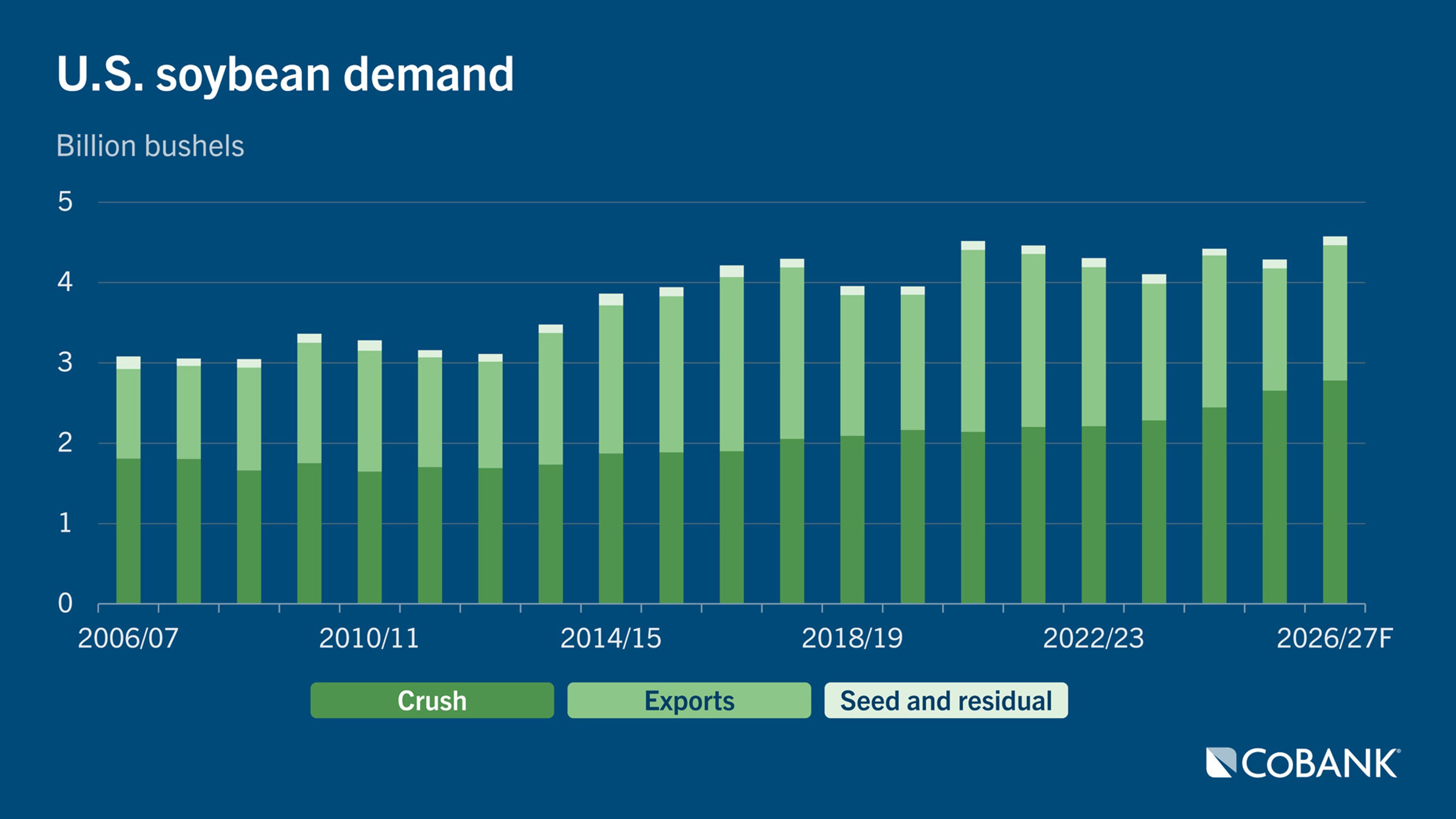
China has returned as a steady buyer of U.S. soybeans after the White House announced that China had committed to purchasing 25 million metric tons per year through 2028. Purchases from private Chinese crushers, though, are unlikely with China maintaining a 10% retaliatory tariff on U.S. soybeans. Total export commitments to all countries, including China, are now more than double last year’s pace and well on the way to meeting or exceeding USDA’s projection for the marketing year.
U.S. farmers are expected to harvest a record soybean crop this fall of 4.54 billion bushels, up 6% YoY. Accelerating crush demand and robust exports, though, threaten to pull ending stocks to the tightest in three years, according to USDA’s latest projections. Attention will turn to Brazil next quarter as planting season begins amid heightened uncertainty about El Nino’s impact on South American production.
Wheat
War continues to constrict wheat shipments out of Ukraine and Russia, prompting global buyers to shift purchases elsewhere and pushing up world prices. USDA forecasts combined Ukrainian and Russian wheat exports to fall 11% YoY to their lowest level in five years. Talks of a truce to reopen Black Sea shipping pulled wheat prices lower late in the quarter.
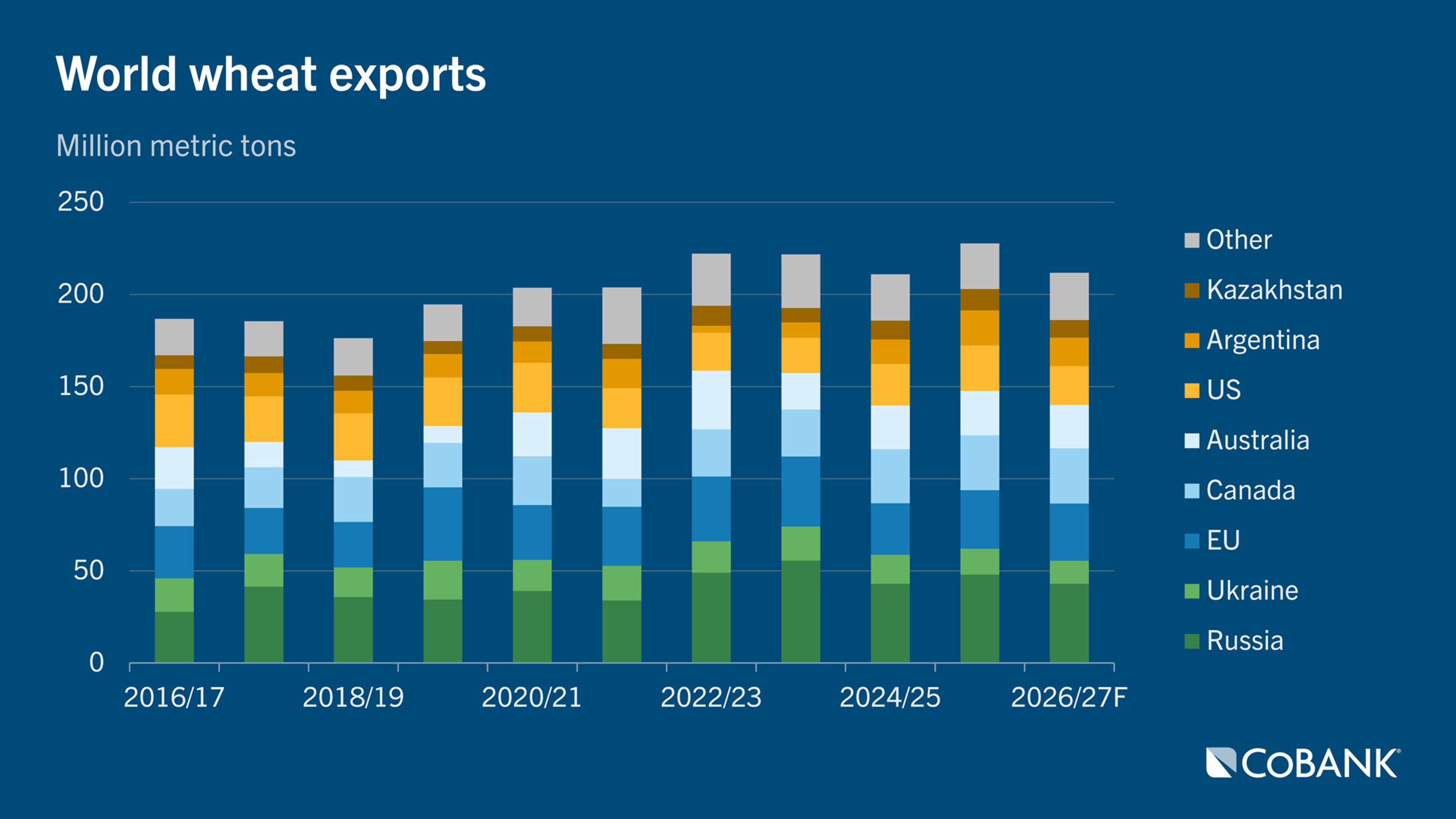
Traders remain wary of a potential deal between Russia and Ukraine that could suddenly release Black Sea supply onto the world market. Until then, mounting grain stocks have prompted Russian and Ukrainian farmers to reduce winter wheat plantings this fall.
U.S. wheat prices are now among the highest in the world as the market rations scarce supply after the smallest U.S. wheat harvest since the 1970-71 marketing year. Total export commitments of shipped and unshipped sales for the marketing year are down 31% YoY. However, high prices are prodding U.S. farmers to expand winter wheat acreage.
Disclaimer: The information provided in this report is not intended to be investment, tax, or legal advice and should not be relied upon by recipients for such purposes. The information contained in this report has been compiled from what CoBank regards as reliable sources. However, CoBank does not make any representation or warranty regarding the content, and disclaims any responsibility for the information, materials, third-party opinions, and data included in this report. In no event will CoBank be liable for any decision made or actions taken by any person or persons relying on the information contained in this report.