
Food safety fears disrupt produce purchases

Key points
- A summer wave of produce-related foodborne illness materially weakened consumer trust, disrupted restaurant traffic and pressured grocery sales.
- The commercial effect extended beyond the specific recalled products, as consumers reduced purchases across broader produce categories and avoided affected restaurant brands.
- Recovery will depend on demonstrable food safety improvements, transparent sourcing, authoritative reassurance and targeted customer re-engagement.
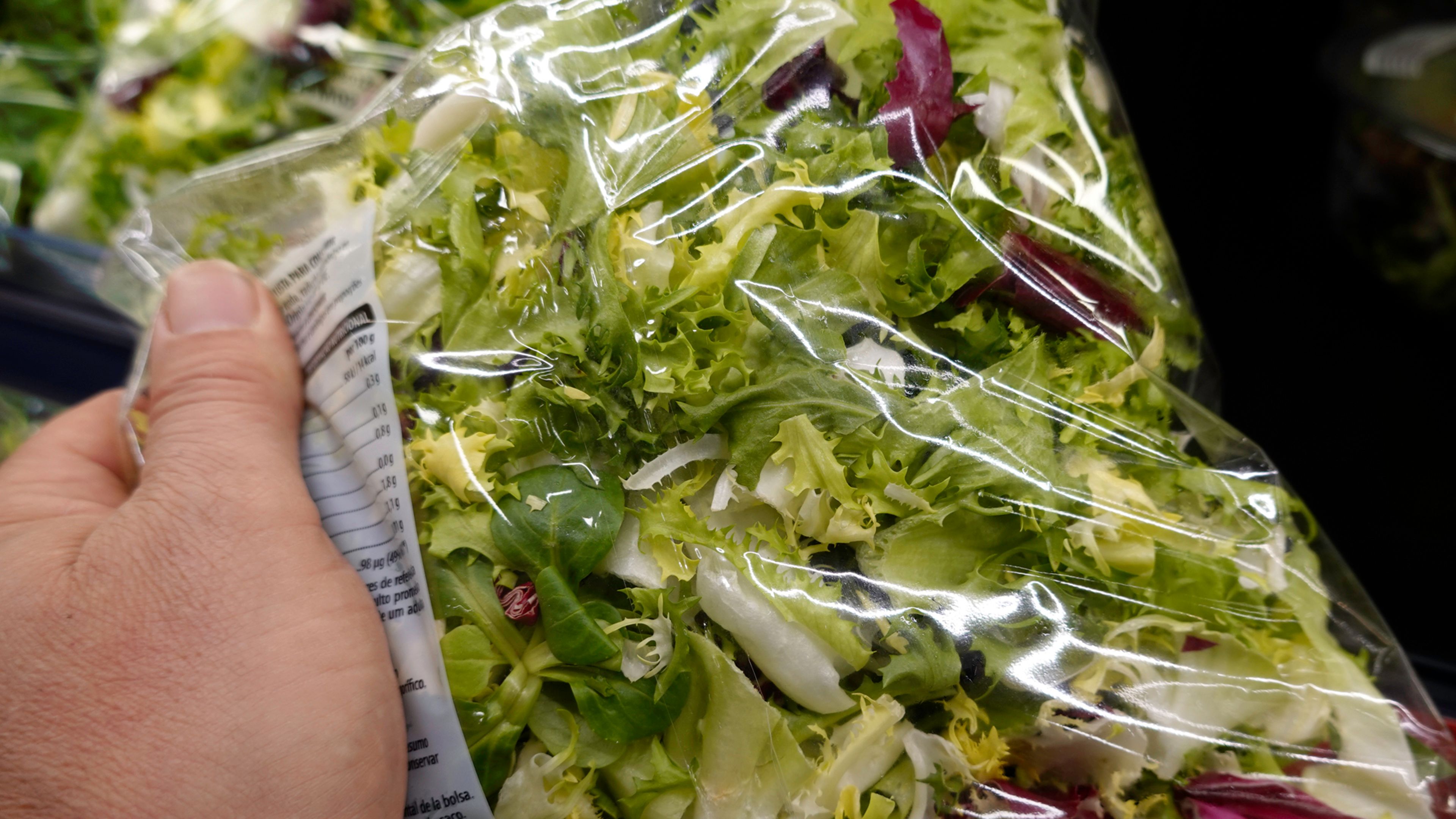
In the wake of several high-profile foodborne illness outbreaks over the summer, consumer concerns about food safety have persisted, leading to notable shifts in restaurant and grocery-store purchases. In August, 40% of respondents to a CBS News poll said they were very worried about illness when buying fresh vegetables, while concern about fresh fruit also increased. Awareness of recalls was high for lettuce (74%), jalapeños (60%) and eggs (53%). Official validation will be essential, ideally through information about product origin, confirmation that affected products are no longer on shelves, and assurances from food safety authorities such as the Centers for Disease Control and Prevention and the Food and Drug Administration. Transparency will be key to re-building consumer trust. Consumers will press retailers and restaurants to provide documented sourcing, food safety controls, traceability, and testing and handling information in clear, consumer-friendly language. Suppliers to restaurants and retailers should prepare for notable demand for clarity on production methods and safety protocols in the near term, even as their customers may reduce purchases in response to shrinking consumer demand.
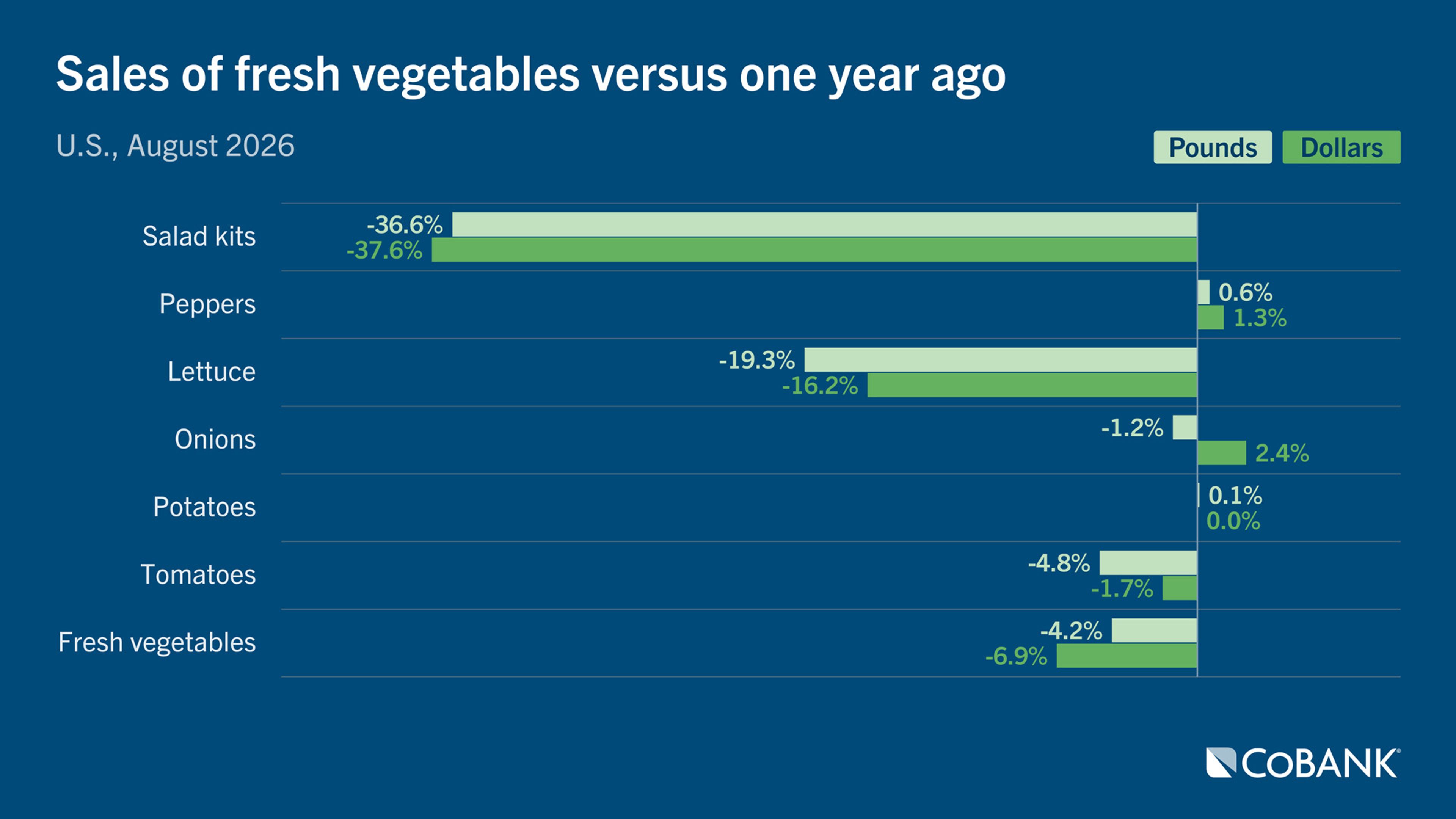
The impact on consumer behavior continues. Nearly half of consumers (49%) say they have changed their grocery purchases, and 4 in 10 say their restaurant selection has changed. An International Food Information Council survey found nearly 9 in 10 Americans had heard of the Cyclospora-contaminated lettuce outbreak; among those aware, 30% stopped eating all lettuce, 29% stopped eating iceberg lettuce and 22% reduced or eliminated produce consumption. These results show category-wide spillovers: on multiple occasions, the recall of a single item depressed demand across adjacent products and channels.
Regional outbreaks have nationwide impact
Grocery retailer Kroger notes the Cyclospora-contaminated lettuce recall cost it more than $100 million in lost sales, with the outbreak reducing second-quarter same-store sales (excluding fuel) by approximately 35 basis points, even though most cases were concentrated in the Midwest. Kroger lowered full-year same-store sales guidance to 0.2% to 0.8%, down from 1% to 2%, citing the outbreak among other factors, and said pressure continued into the third quarter.
The outbreaks also severely affected restaurants: Taco Bell guest visits fell nearly 30% before improving to low double digits by late August, and Chopt’s average visits per location fell 7.7% year over year from July 6 through Sept. 11. Sweetgreen says Cyclospora concerns reduced July comparable sales by 600 basis points and were expected to lower full-year EBITDA by $7 million to $10 million. The divergence suggests brand strength can support traffic, but it does not fully insulate sales or margins from food safety concerns.
Rebuilding trust comes at a cost
The impact on consumer trust presents a challenge that retailers, brands and suppliers will have to address in the second half of 2026. Retailers and restaurants have generally responded by focusing their offerings on products that consumers trust, particularly those with organic claims. While an organic claim does not mean the products are free of Cyclospora, Kroger found that shoppers were shifting toward items with organic labels. In response, Kroger added 600 new natural and organic items in the most recent quarter.
The difficulty behind this approach for Kroger will be in pricing. Fresh vegetable prices as a whole were 6.3% higher in July 2026 than a year earlier, according to the USDA's Economic Research Service, led by tomatoes (12.8%) and lettuce (7.5%). Expectations are for vegetable prices to continue rising throughout the rest of the year, particularly as higher fuel costs increase supply chain expenses.
Traceability becomes a competitive necessity
As for the risk of foodborne illness, the great challenge for restaurants and retailers is in their supply chain itself. Consolidation of suppliers has resulted in a market where a single contamination event can have national consequences. Restaurant and grocery store alternatives for produce are limited. As a result, restaurants and grocery stores may emphasize products not linked to an outbreak, as Taco Bell did when it removed lettuce from menu items. Cava and Sweetgreen noted a shift away from iceberg lettuce.
However, restaurants and retailers alike face a consumer base that wants more details about ingredients, cleanliness and sourcing practices. As such, suppliers can expect more pressure from their customers to commit to increased safety standards, transparency and traceability. Chipotle demonstrated such traceability this summer when its RFID system allowed the company to identify a potentially contaminated shipment of peppers. As grocery stores offer more prepared meals, customers’ expectations for transparency will likely grow in the coming months and years.
Disclaimer: The information provided in this report is not intended to be investment, tax, or legal advice and should not be relied upon by recipients for such purposes. The information contained in this report has been compiled from what CoBank regards as reliable sources. However, CoBank does not make any representation or warranty regarding the content, and disclaims any responsibility for the information, materials, third-party opinions, and data included in this report. In no event will CoBank be liable for any decision made or actions taken by any person or persons relying on the information contained in this report.