
Strong consumer demand for high-quality protein is driving record beef prices and double-digit growth in protein-rich dairy products.

Corey Geiger is lead economist for dairy production and processing in CoBank’s Knowledge Exchange research division. An internationally recognized expert in dairy economics and agricultural markets, Corey is sought by major media outlets including The Wall Street Journal, NBC News, Bloomberg, The Atlantic, Politico and leading agricultural publications for his analysis and commentary. His work is known for blending rigorous economic insight with a deep, lifelong understanding of production agriculture.
Before joining CoBank, Corey spent nearly 30 years with Hoard’s Dairyman, ultimately serving as the lead editor. He led the launch of the publication’s fourth language edition, Hoard’s Dairyman China, and reported from 48 states and four continents on dairy production, processing, and global supply chains. Corey’s industry leadership includes service as president of Holstein Association USA and as a director for the Council on Dairy Cattle Breeding and World Dairy Expo. He also serves as a board advisor for U.S. Farmers and Ranchers in Action and Dairy Management Inc.
Corey manages and owns a portion of his six-generation family farm in Wisconsin and holds bachelor’s degrees in dairy science and agricultural economics from University of Wisconsin-Madison.

Strong consumer demand for high-quality protein is driving record beef prices and double-digit growth in protein-rich dairy products.
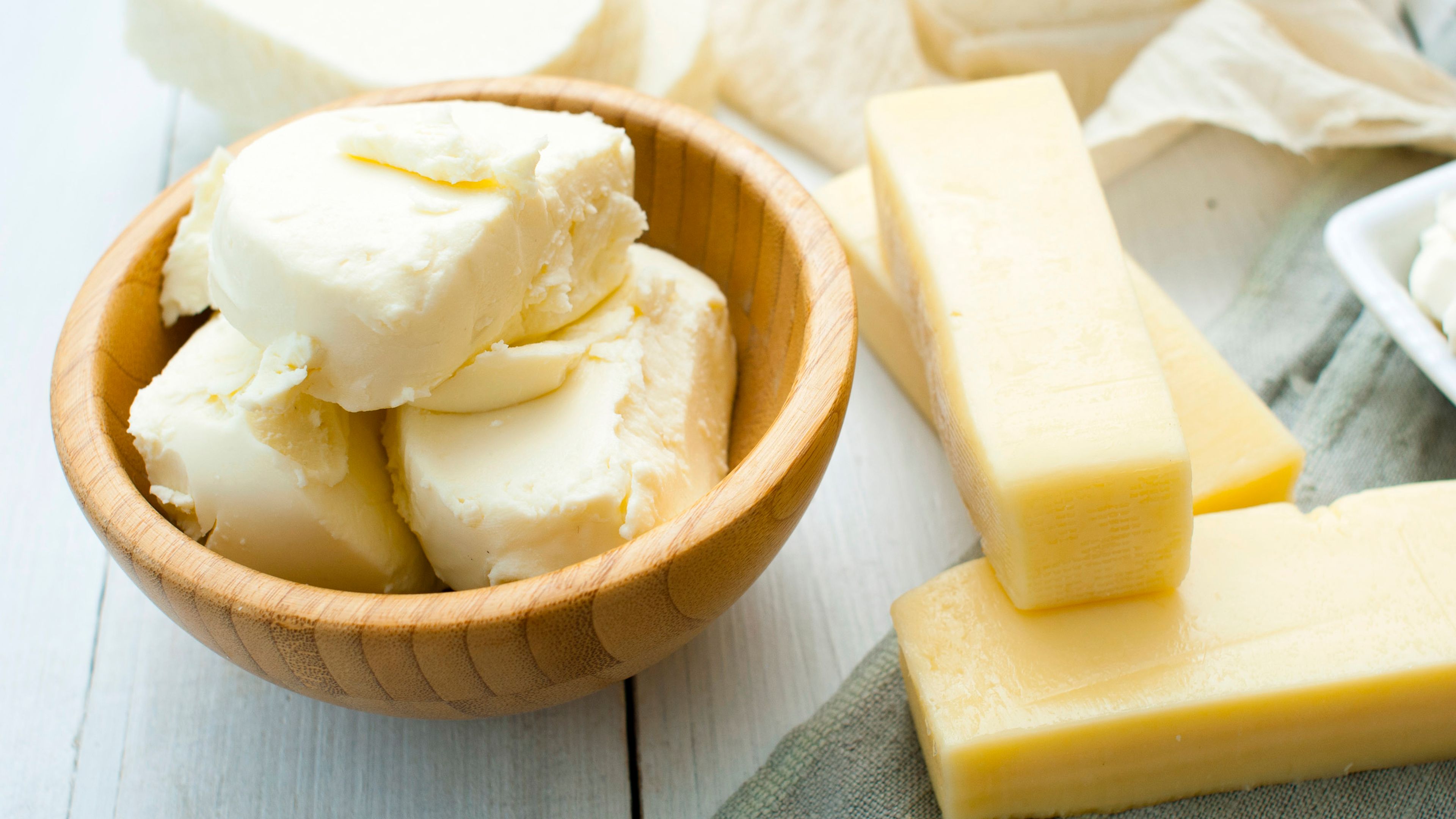
For decades, U.S. dairy markets have been balanced for butterfat while excess dairy protein was exported to international customers. In the future, the U.S. dairy industry may be short on protein but long on butterfat given strong consumer demand for dairy proteins and the historic growth in butterfat production. The changing dynamics between butterfat and protein production will cause more price fluctuation as dairy processors look to balance product in both domestic and international markets.
Consumer demand for foods with high-quality protein continues to surge. This demand has shifted buying patterns in dairy and beyond. Ultimately, this transformation in the retail space will significantly impact dairy processors and food manufacturers for the foreseeable future.
Over the past decade, butterfat led milk checks for eight of the 10 years. By 2021, the nation’s milk supply broke a seven-decade-old record for butterfat content at 3.95%.
Despite rising fears, artificial intelligence is unlikely to spark a jobs apocalypse for recent college graduates.
Responding to milk price signals over the past decade coming from consumer demand for more nutrient-dense dairy products, U.S. dairy farms delivered milk with growing levels of butterfat and protein – the components for making cheese, butter and yogurt.
The U.S. dairy industry stands at a unique inflection point previously unseen in its modern-day history
Lower fertility rates, declining labor force participation, and lower net immigration are combining to squeeze labor supply. With the labor supply in rural America set to get tighter, technology – most obviously AI and robotics – will likely be at the core of any strategy to address the oncoming labor squeeze.
CoBank’s Q1 2025 Quarterly report examines the economic forces shaping rural America, highlighting key shifts across agriculture, energy, communications, and financial markets as the year begins.
Stronger genetics are pushing U.S. milk components to record highs, creating new opportunities across the dairy market.
Domestic dairy product consumption has climbed to the highest levels in over six decades and dairy exports are close to record levels.
While the U.S. economy continues to outperform earlier expectations — delivering solid growth, low unemployment and moderating inflation — the rural economic outlook is less certain