Boom or burden—or both? Navigating AI’s expansion into rural America

Jeff Johnston
Key points
- AI is driving a historic surge in data center spending, creating intense demand for land and power.
- Rural America is an ideal location for AI infrastructure, offering space, energy access and major economic upside.
- Communities face tradeoffs, but rejecting these projects could mean missing out on generational benefits.
The stakes are high
The capital rushing into the data center market to fuel the rise of artificial intelligence is nothing short of historic. In 2024, the four hyperscalers—Meta, Microsoft, Amazon and Google—poured an estimated $235 billion into capital expenditures. In 2025, that figure is expected to exceed $400 billion.
All of this money is creating a supply–demand imbalance in the energy market as hyperscalers and data center developers scramble to secure land and power for new facilities. The stakes are high—not just for the hyperscalers but for the country.
Take Google, for example. Search revenue remains a cornerstone of Google’s business, and that revenue is at risk if the company doesn’t aggressively invest in its own AI capabilities. An increasing number of searches are being done through AI models like ChatGPT, and the quality of AI-generated results is threatening the traditional search model. Google can’t put its head in the sand and hope this trend fades.
This is why Google is pouring hundreds of billions into AI and has built its own model, Gemini, which is now integrated into Google’s search results.
There’s also a geopolitical aspect to all of this. The United States is in an AI arms race with China, and it is one the U.S. cannot afford to lose. The current administration has placed export controls on China targeting AI chips and the equipment needed to produce them. Beyond China, the U.S. wants global AI infrastructure built on American software and hardware. Falling behind would put the U.S. at both an economic and military disadvantage.
So what does this mean for rural America?
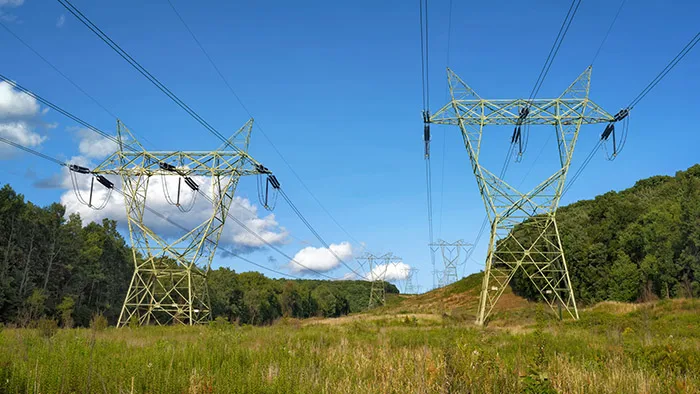
To pull off this unprecedented build-out, hyperscalers need rural America. And they’re bringing their checkbooks.
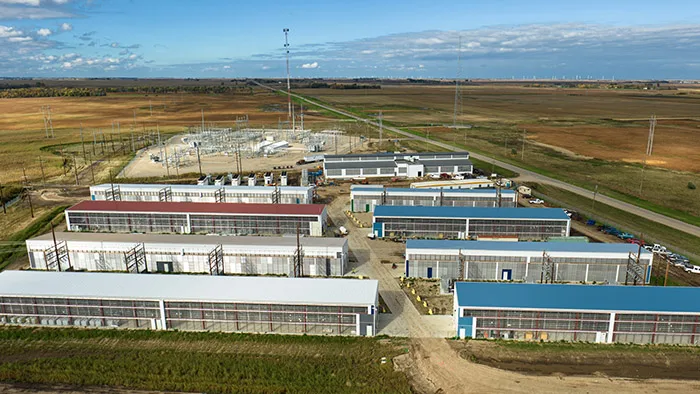
Rural America offers what hyperscalers desperately need: vast land for sprawling data center campuses (some spanning more than half the size of Manhattan) and the ability to colocate with major power infrastructure. But it’s not just the acreage that makes rural America so compelling—it’s how AI data centers themselves are architected.
AI workloads fall into two buckets: learning and inference:
- Learning workloads run on GPUs, processing billions of data points to build foundational AI models. This phase is intensely compute- and energy-intensive but does have strict network latency requirements. That makes it location agnostic.
- Inference workloads power applications used by end users and typically require low latency network performance and thus must be closer to where the applications are being used.
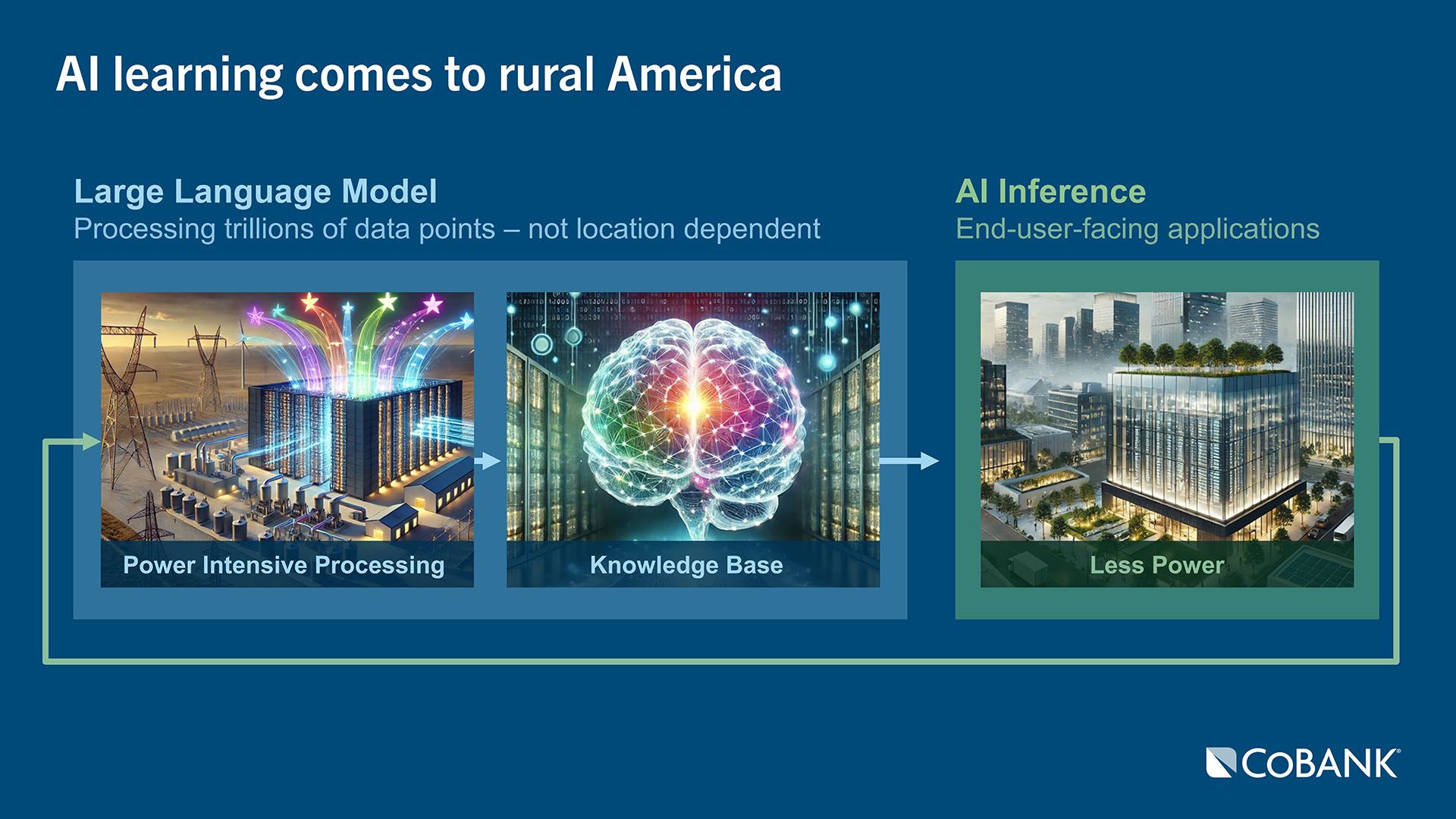
Because the most compute-intensive part of AI—the learning phase—is location-agnostic, placing these data centers in rural areas with abundant land and colocated energy makes sense. And these learning dynamics are unlikely to change anytime soon. As more applications are released, performance feedback will be fed back into the learning workloads to further refine the AI models, resulting in a virtuous cycle of model improvement.
For rural communities, this represents an enormous economic opportunity. Hyperscalers are taking a “land and expand” approach and are willing to invest heavily to ensure these communities can support and sustain data center operations.
According to The Wall Street Journal, Umatilla County, Oregon—home to large-scale data center developments—saw its county government budget grow from $7 million in 2011 to $144 million last fiscal year, with its public workforce more than doubling. Local officials who embraced the opportunity put it bluntly: If your city isn’t growing, it’s dying.
Given the business and geopolitical stakes, data center operators are moving fast and writing big checks to reduce friction in rural communities. They’re funding schools and local governments while supporting local nonprofits and agreeing to bankroll new power generation. These companies view their facilities as 30- to 50-year assets. They aren’t looking to pack up and leave when the first lease expires; the economics don’t support it, and neither do the incentives.
Summary
In 2026, rural America will take center stage, and the economic opportunities are truly generational. As with any major opportunity, there are risks in pursuing it and risks in walking away. Rapid local economic growth can push up housing prices and energy costs, and an influx of new residents may leave longtime locals feeling like their small-town character is slipping away. These are not trivial choices. But taking a rigid “not in my backyard” stance could end up doing the community more harm than good.
Unlike traditional manufacturing complexes, data centers place minimal ongoing strain on local infrastructure once they’re built. And the recurring sales tax revenue generated from the continuous upgrade cycle of AI servers and chips can be meaningful—especially given the pace of AI innovation that forces data centers to keep their facilities operating with the latest technology.
Disclaimer: The information provided in this report is not intended to be investment, tax, or legal advice and should not be relied upon by recipients for such purposes. The information contained in this report has been compiled from what CoBank regards as reliable sources. However, CoBank does not make any representation or warranty regarding the content, and disclaims any responsibility for the information, materials, third-party opinions, and data included in this report. In no event will CoBank be liable for any decision made or actions taken by any person or persons relying on the information contained in this report.