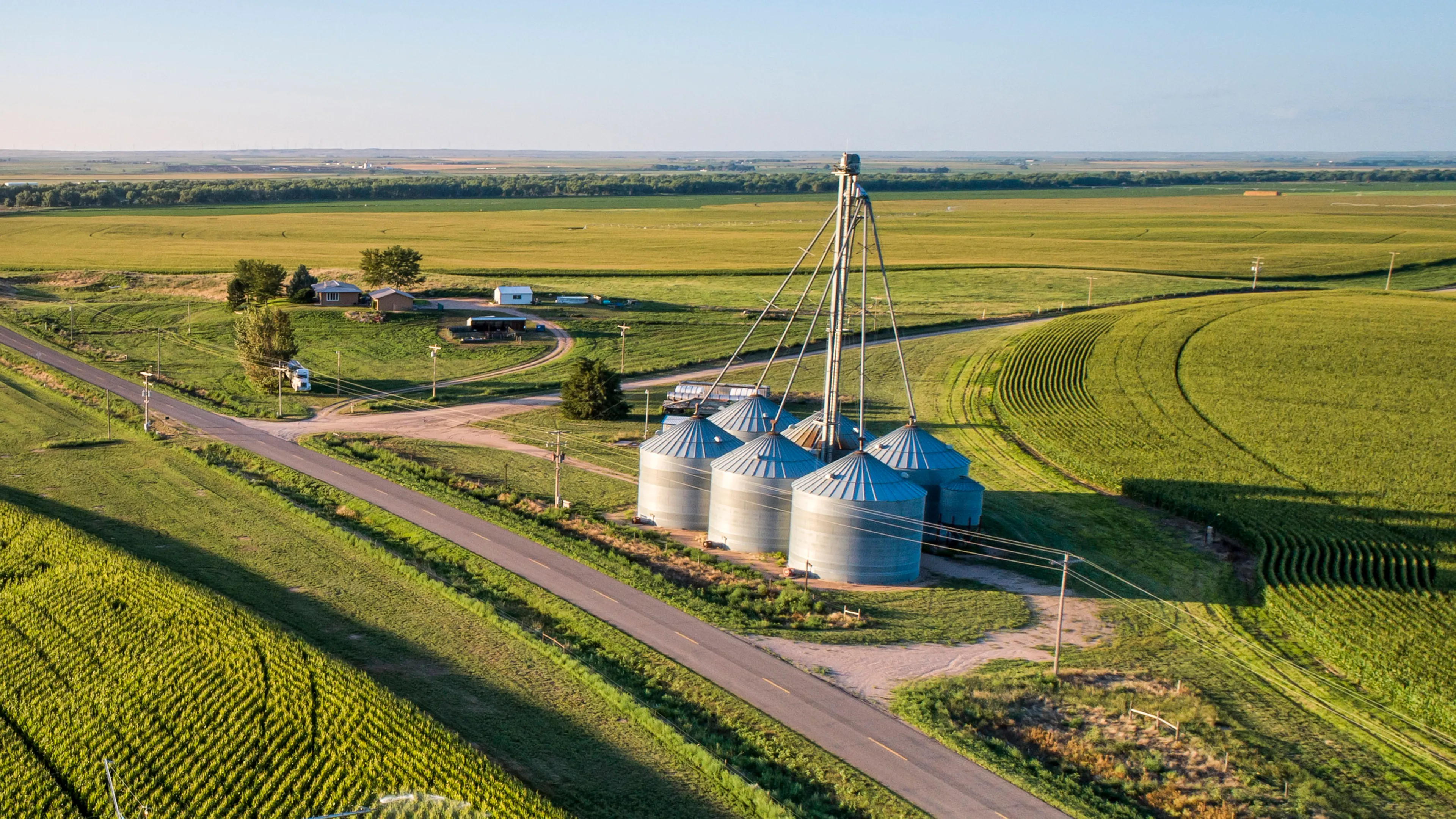
The Quarterly: Rising energy costs are squeezing the rural economy


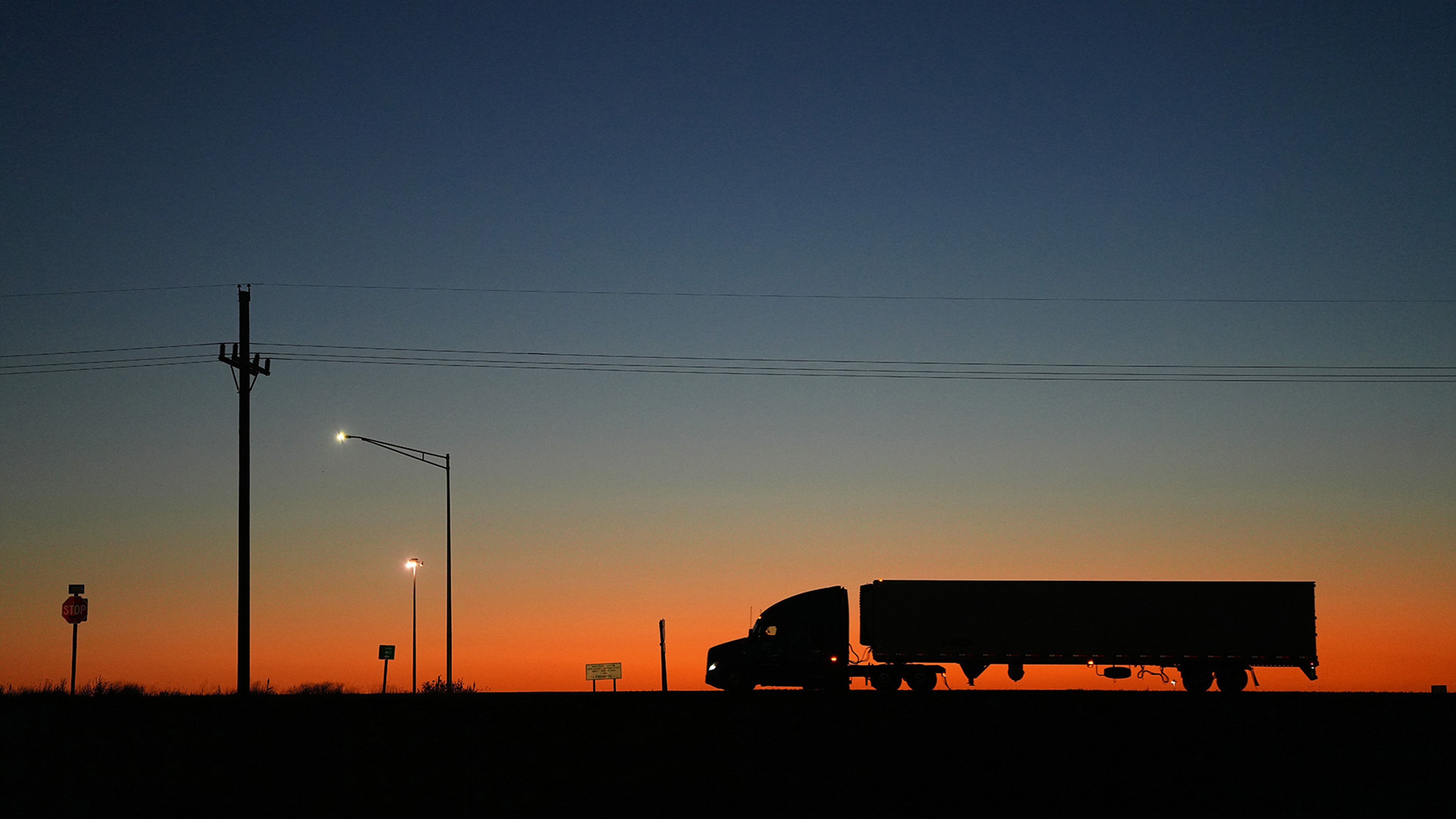
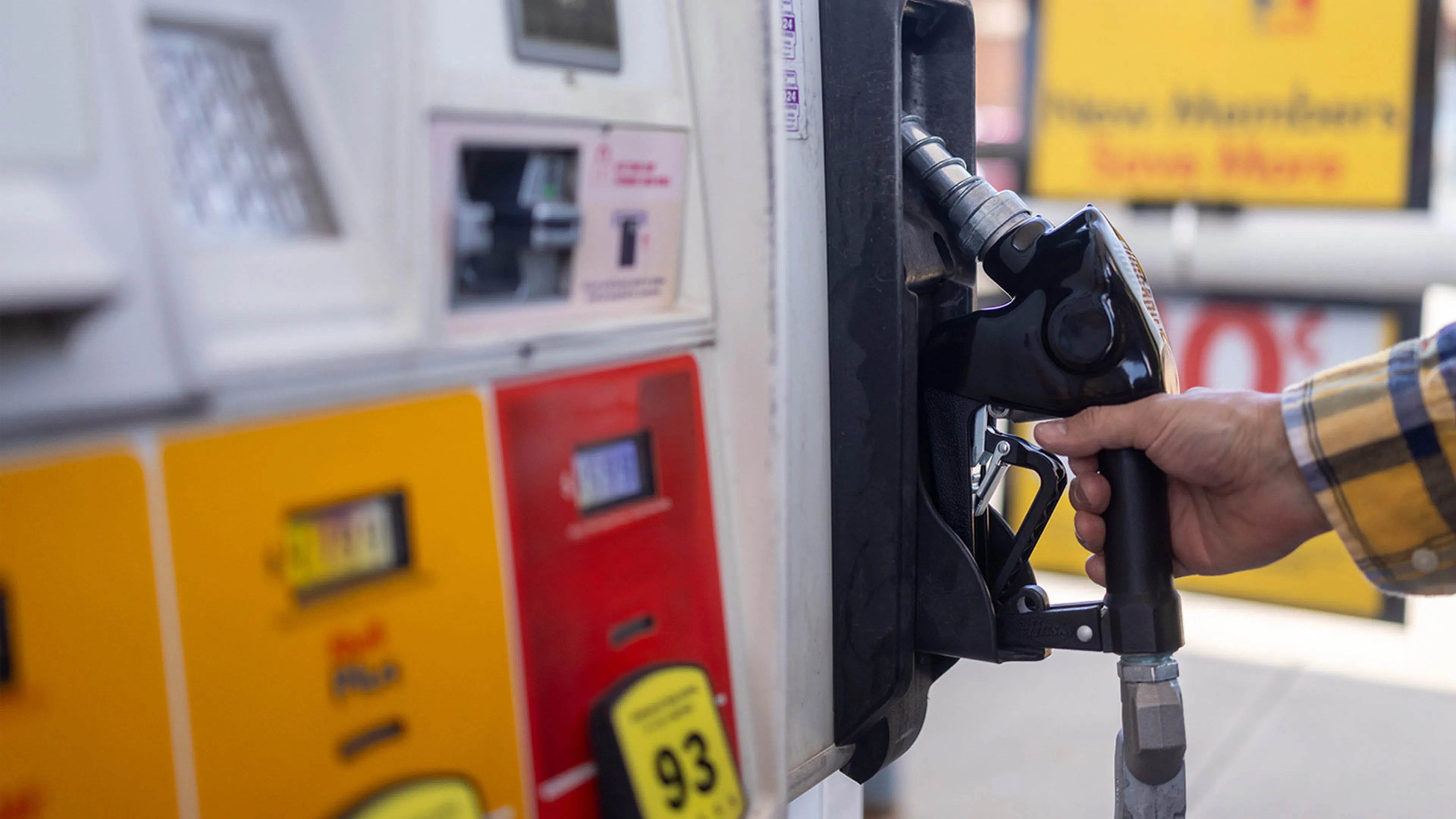
Rural Americans are absorbing some of the most acute fuel cost impacts from the conflict in the Middle East. They drive longer distances, lack public transit and rely on diesel-heavy industries like farming and freight, which quickly affect household budgets and business expenses.
Highlights from this Quarterly report
- Overall U.S. economic growth, boosted by AI investments, remains modest but threatened: Even with GDP growth above 2% in the first quarter of 2026 and stable unemployment rates, surging energy costs will push up headline inflation and likely squeeze discretionary consumer spending.
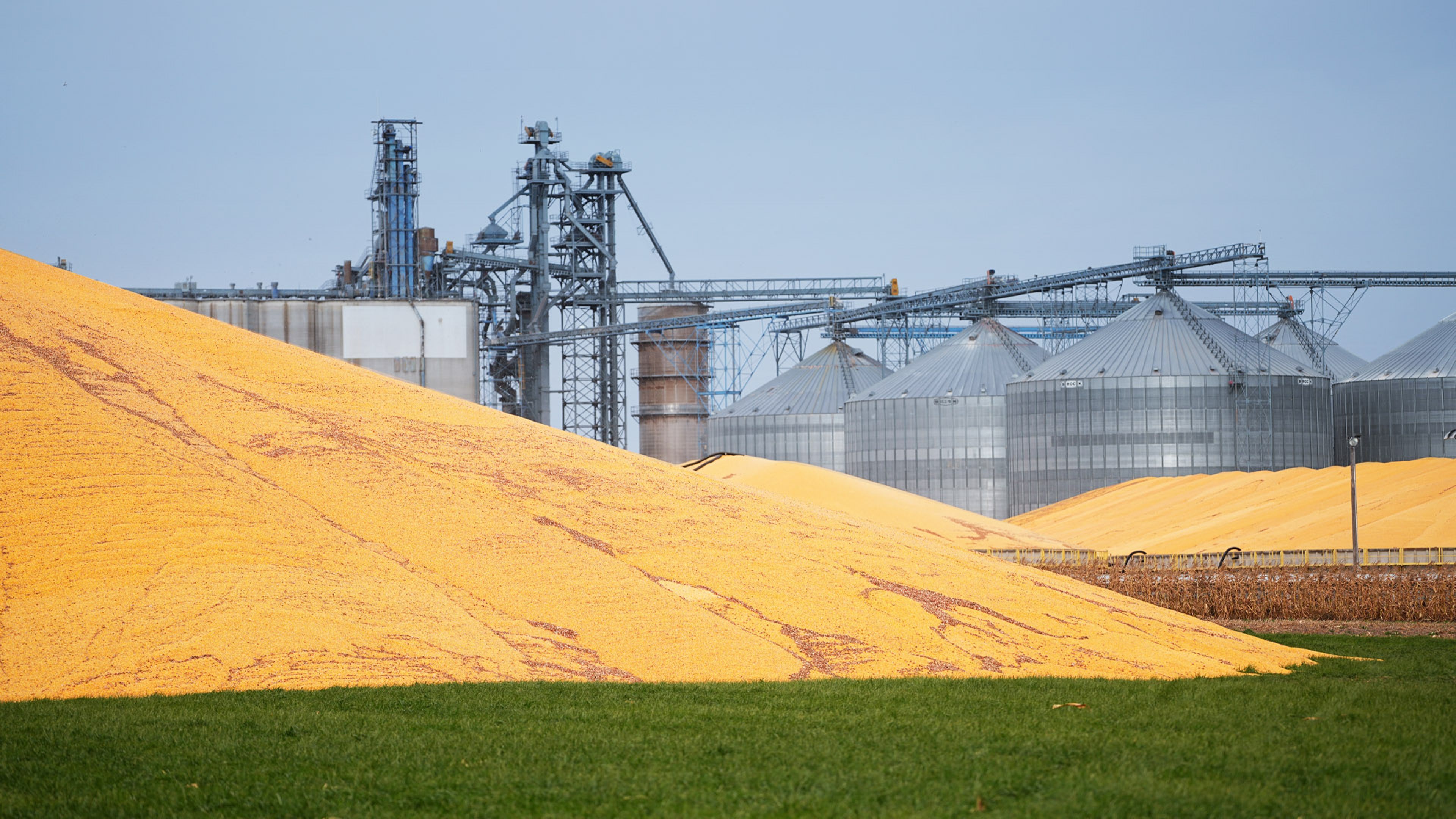
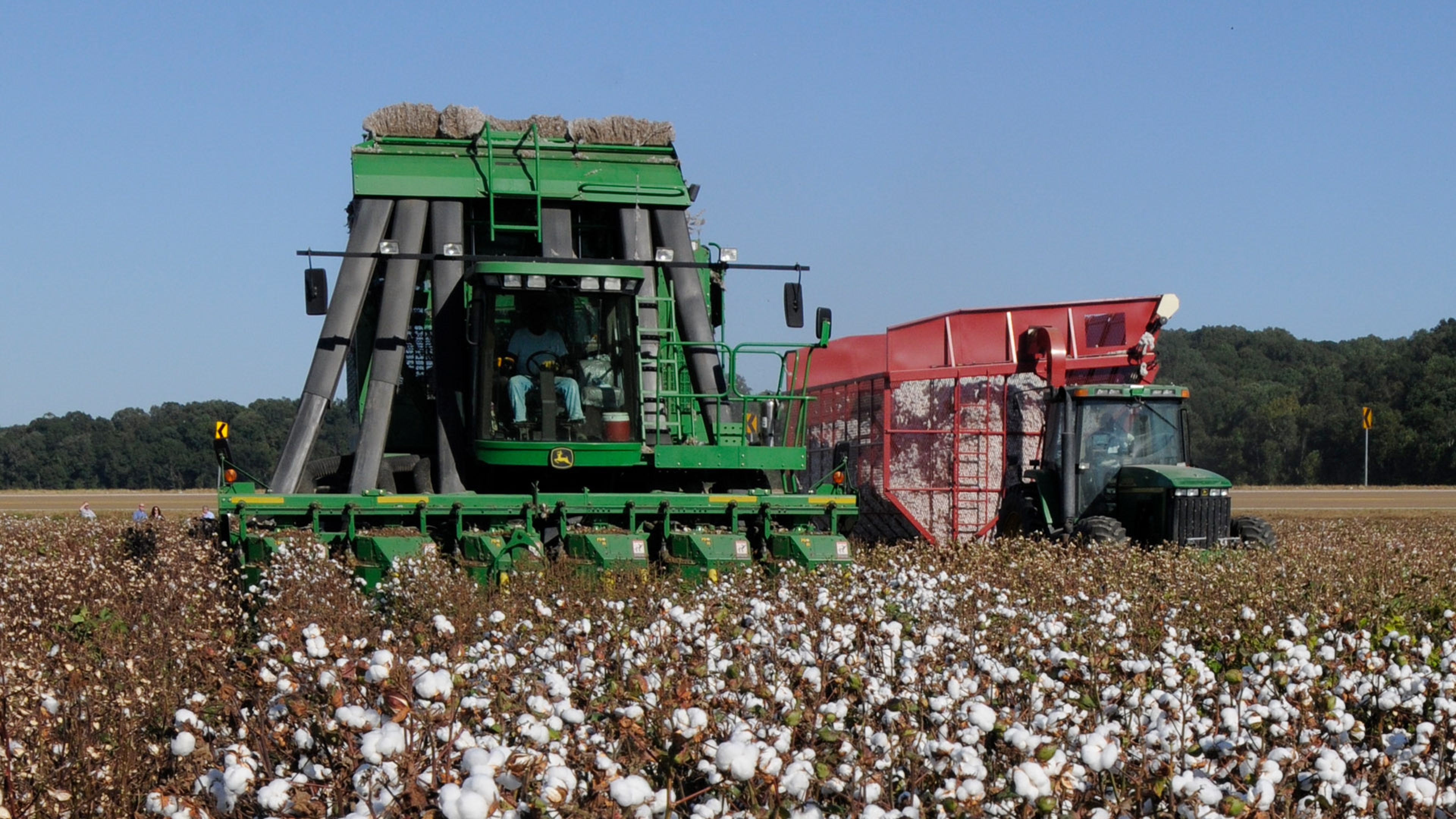
- Grain and oilseed prices have edged higher along with petroleum prices, and fertilizer prices are accelerating even faster. These input pressures will shape planting and input purchasing decisions this fall. This spring, farmers will increase soybean acres by about 4% compared to last year while slashing corn and spring wheat acres.
- The EPA recently adjusted renewable fuel standards, strengthening the biofuels outlook: The agency increased biomass-based diesel mandates and delayed limits on foreign feedstocks until 2028. For ethanol, EPA issued E15 summertime waivers, though Congress has not delivered a permanent legislative fix.
- Strong consumer demand for meat and poultry combined with low feed costs continue to lift livestock producers. However, cattle feeders are beginning to feel an outsized impact of further herd contraction. Hog margins remain firmly in the black while broiler prices are starting to ease as supply builds.
- Dairy profitability is generally healthy at the farm level, but processors are struggling with volatility pricing caused by a shortage of milk protein and excess butterfat.
- Electric supply constraints and AI investments continue to shape the infrastructure outlook. U.S. hyperscalers are on track to spend nearly $700 billion on AI, fueling fears that any slowdown could burst the AI bubble. However, a closer look at the profitability of this spending suggests this cycle has yet to play out.
Disclaimer: The information provided in this report is not intended to be investment, tax, or legal advice and should not be relied upon by recipients for such purposes. The information contained in this report has been compiled from what CoBank regards as reliable sources. However, CoBank does not make any representation or warranty regarding the content, and disclaims any responsibility for the information, materials, third-party opinions, and data included in this report. In no event will CoBank be liable for any decision made or actions taken by any person or persons relying on the information contained in this report.