Key points
- Winter storms disrupted 80% of Florida’s tomato production this year.
- Duties on tomato imports from Mexico were virtually nonexistent in 2024 but rose to $4.6 million the following year, spurring price increases.
- Consumers pay 59% more for organic produce, a premium that could jeopardize its popularity among younger households facing higher prices everywhere.
Tomato prices increase the most in two decades
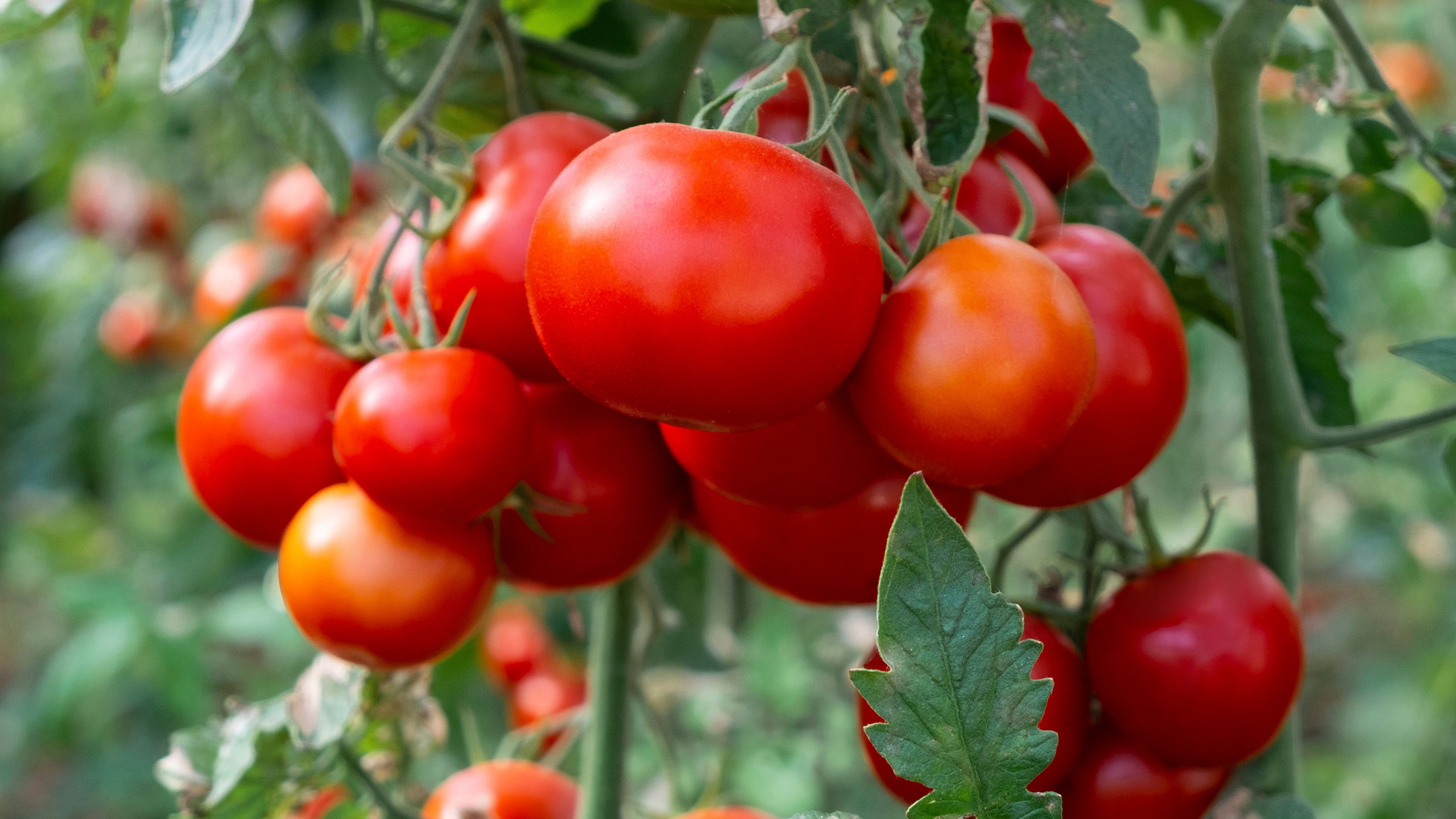
U.S. tomato prices rose about 40% between January and April, the biggest three-month increase since 2006, according to the Bureau of Labor Statistics. The jump marked a sharp reversal from weak prices in 2025. Wholesale prices for Roma tomatoes, mostly grown in Mexico, and Florida's mature green tomatoes hit their highest level in 25 years. Weather disruptions in two major growing regions have pushed prices higher. Agriculture officials described Florida’s late December and January winter storms as "one of the most damaging freeze events for Florida agriculture in history." About 80% of Florida's tomato production suffered losses, leading to nearly $164 million in projected damages.

In Mexico, drought conditions plagued the October-November planting season in Sinaloa, a key growing region. Ironically enough, unseasonal rains then followed in January, exposing plants to early blight. U.S. duties on Mexican imports have compounded matters after the U.S. withdrew from a deal allowing duty-free imports of tomatoes from Mexico. U.S. tariffs collected on tomatoes ballooned from $16,424 in 2024 to $4.6 million in 2025, according to federal data, an increase of 27,879%.
Supply should stabilize, easing prices slightly, especially after the domestic tomato harvest later in the year. Nevertheless, supplies likely will not increase enough to substantially drop prices.
Organic consumers pay a hefty premium
The price of organic produce comes at a 59% premium compared with conventional produce, according to a LendingTree analysis of USDA retail pricing data. A year ago, the price gap was 52.6%. The largest gap was in organic Roma tomatoes, which cost 133.9% more than their conventional counterparts, followed by organic orange and yellow bell peppers at a 131.5% premium. Half of the produce options had an organic premium of at least 50%.
Organic prices rose 10% from January 2025 to January 2026 while conventional produce prices rose 0.3% during that time. Again, organic Roma tomatoes led the way, rising 185.9%. Organic green bell peppers jumped 117.4%, and organic apple juice increased 65.4%. The costs of labor, certification, inputs and water all contributed to the increase.
Nevertheless, consumer interest in organic options remains steady. Organic food sales reached $10.6 billion in 2025, a 5.9% increase from 2024, according to the Organic Produce Network. Some organic produce prices declined, including Gala and Royal Gala apples (-33.6%), Honeycrisp apples (-33.2%) and raspberries (-32.3%).

The Organic Trade Association finds that Millennials and Gen Z are the fastest-growing buyers of organic. That trend suggests organic brands are building trust and engagement with younger consumers as their purchase power is growing. However, it could also signal challenges for organic producers. According to a Northwestern Mutual study, nearly three quarters of Gen Z (72%) and 53% of Millennials report they lean on parents for financial support. As they begin to establish their own households and absorb the associated costs, younger consumers could easily see organics as a luxury — an expensive and expendable one.
Disclaimer: The information provided in this report is not intended to be investment, tax, or legal advice and should not be relied upon by recipients for such purposes. The information contained in this report has been compiled from what CoBank regards as reliable sources. However, CoBank does not make any representation or warranty regarding the content, and disclaims any responsibility for the information, materials, third-party opinions, and data included in this report. In no event will CoBank be liable for any decision made or actions taken by any person or persons relying on the information contained in this report.