Consumers are trading down and buying less food as retailers and brands lean on value strategies and supplier support.
knowledge exchange
The Quarterly: Higher costs, tougher choices shape rural economic outlook

Stubborn inflation and higher interest rates are forcing consumers, farmers and businesses to make tougher choices. Households are prioritizing value, while producers and agribusinesses face higher costs, thinner margins and a murkier economic outlook.
Highlights from this Quarterly report
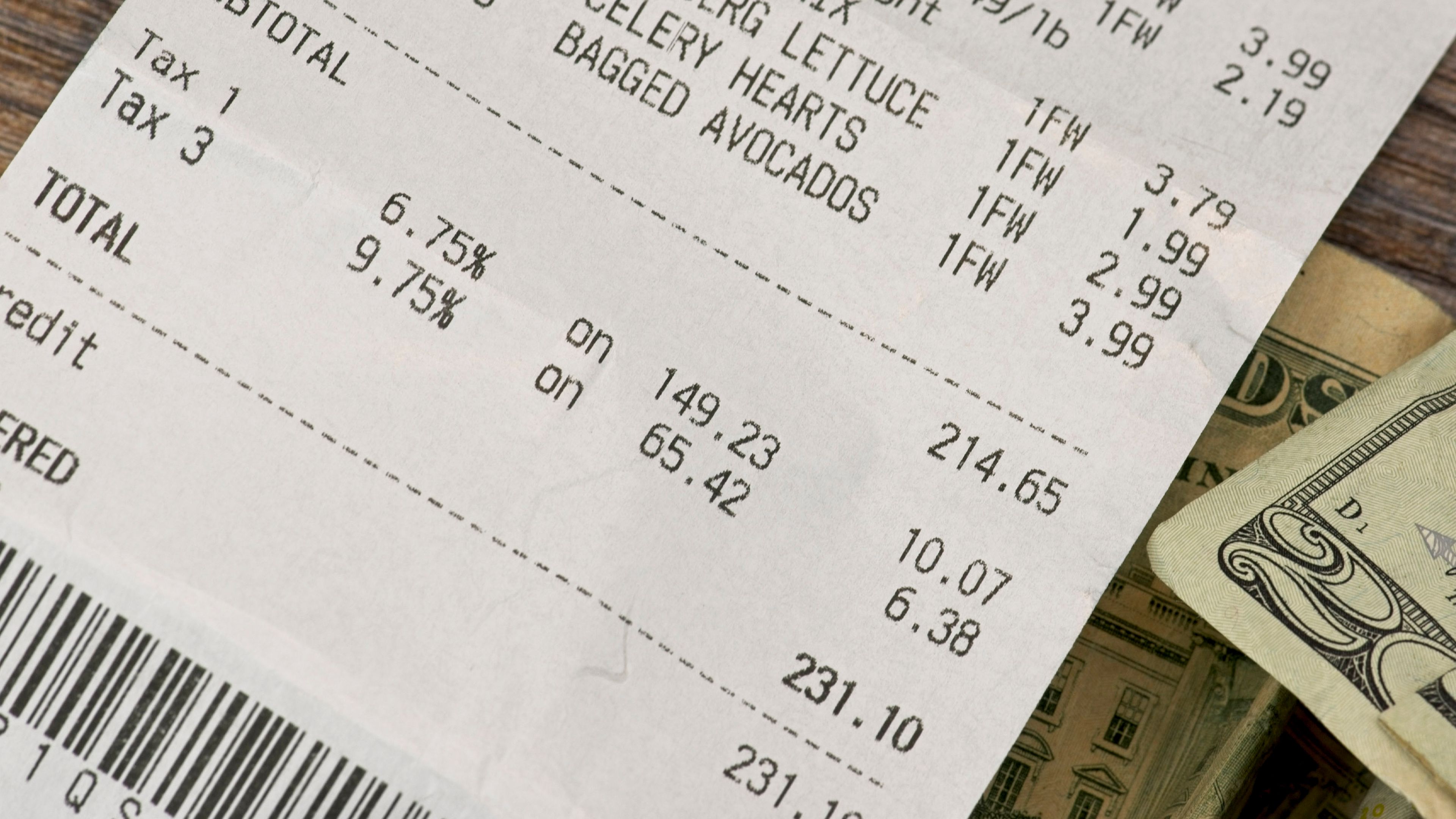
- Food inflation is reshaping grocery behavior. Prices are up 2.7% year over year and roughly 26% from five years ago, pushing consumers toward private labels, discount retailers and smaller baskets.
- Interest rates have climbed since March as inflation, geopolitical risk, corporate borrowing and federal deficits reset expectations from rate cuts to a higher-for-longer environment.
- Agriculture is back in the Washington spotlight. Farm groups are pressing for action on the farm bill, E15, USDA reorganization and New World Screwworm as profitability weakens. The president has requested a supplemental package that includes $11.1 billion for agriculture.
- Crop markets are moving in different directions. Favorable weather is lifting corn yield while depressing prices, surging soybean oil prices are boosting processor margins and crush demand, excessive rain is hurting winter wheat quality and pulling harvest acreage to the lowest on record, and farmers have grown more cautious purchasing inputs as their margins tighten.
- Beef demand remains surprisingly strong despite record-high prices and tight supplies. Consumers have not shifted to lower-priced pork and chicken, suggesting factors beyond price are shaping purchasing decisions. Dairy exports are a bright spot, up 25% for cheese and a whopping 88% for butter.
- Utilities and broadband providers face mounting pressure from supply-chain constraints, aging infrastructure, electrification, economic growth and the rapid buildout of AI infrastructure, which is raising costs and extending lead times for BEAD and other projects.